2008 Subaru Impreza
Cloudy exterior lens example from the gallery, not a promise for cracked or wet assemblies.
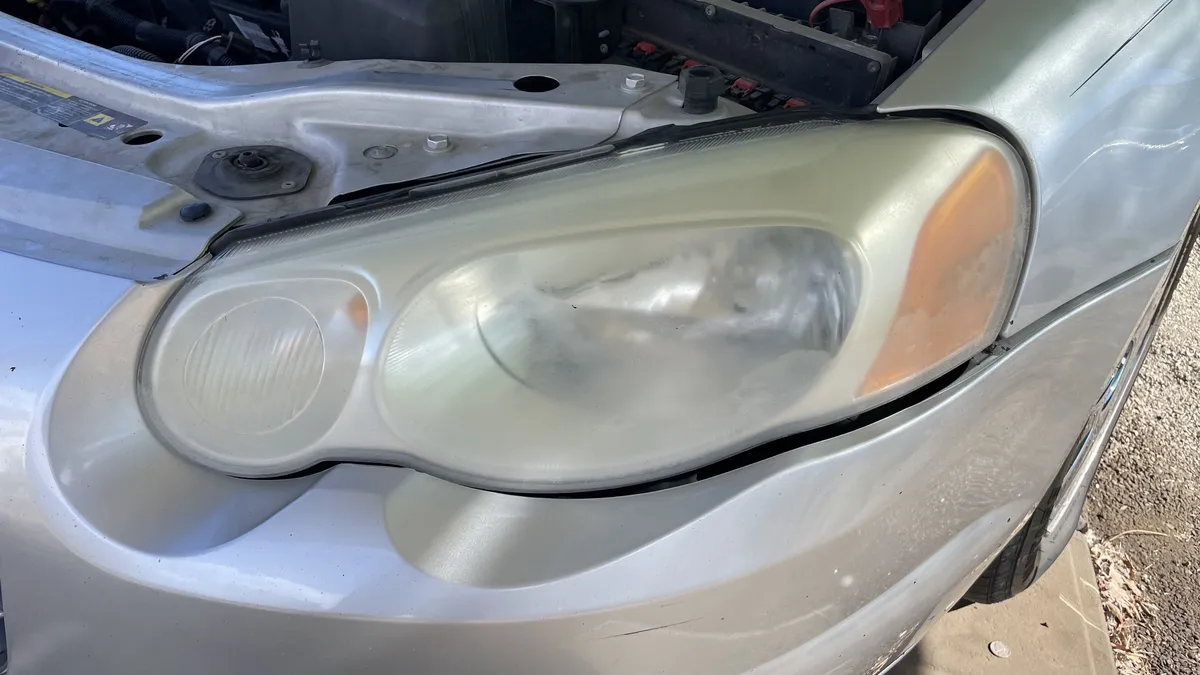
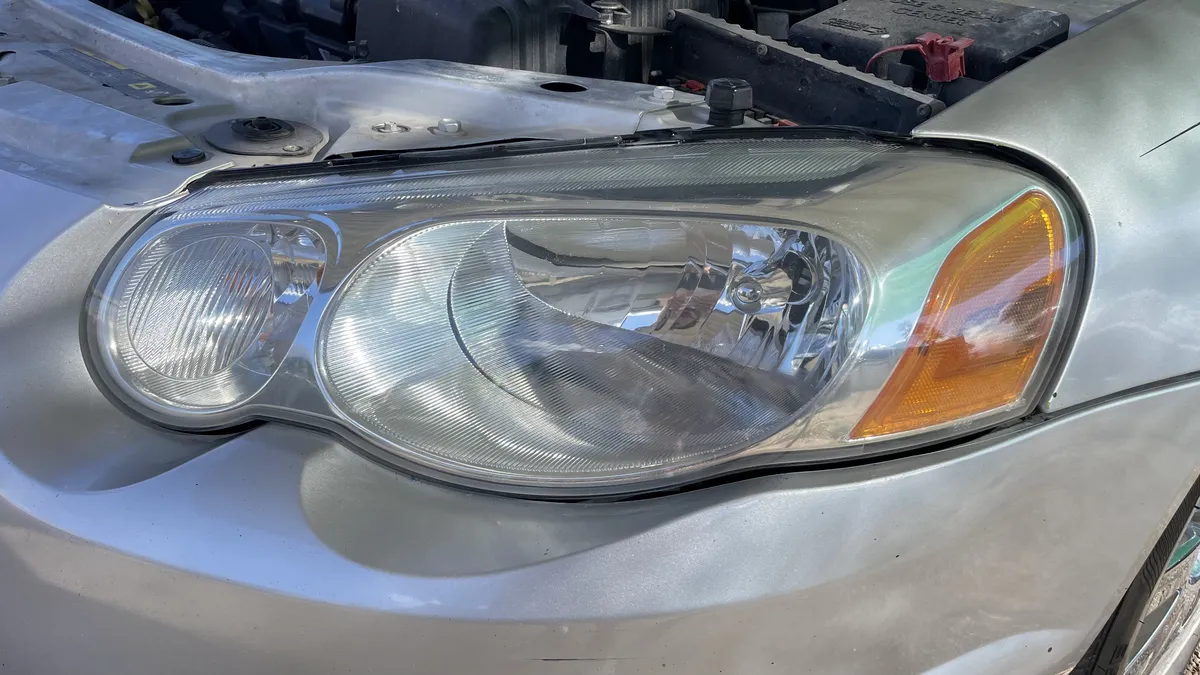
Use these guides when your headlights look cloudy, foggy, yellow, oxidized, uneven, wet inside, or damaged.
Tucson sun, dust, dry air, monsoon residue, and outdoor parking can make different symptoms look similar.
Dry photos help separate exterior oxidation from moisture, cracks, or internal damage.
If the lens is cloudy, yellow, or chalky while dry, start with the cloudy and oxidized headlight guides. If you see droplets or haze behind the lens, review moisture and replacement warnings first.
Words can overlap. Photos are more reliable than trying to name the problem from memory.
Send photos if one headlight is worse, the lens changes when wet, you see cracks, or a bulb replacement did not fix poor light output.
The goal is to choose the right next step before choosing a fix.
Text photos first. Dry close-ups and angled photos usually show whether the haze is on the outside lens or inside the assembly.
These before-and-after pairs show real work, not a promise that every lens finishes the same way.
Cloudy exterior lens example from the gallery, not a promise for cracked or wet assemblies.
One headlight aging faster can point to parking exposure, moisture, repair history, or a mismatched assembly.
Tucson Headlight Restoration - Headlight Problems - 2 min read
Oxidation is often exterior surface damage. Crazing can be deeper cracking that limits what restoration can remove.
Tucson Headlight Restoration - Headlight Problems - 2 min read
Sun damage progresses in stages. Naming the stage helps decide whether cleaning, restoration, protection, repair, or replacement review is realistic.
Tucson Headlight Restoration - Headlight Problems - 3 min read
Cloudy, foggy, oxidized, hazy, and yellow are common words, but the fix depends on where the problem is.
Tucson Headlight Restoration - Headlight Problems - 2 min read
Clear lenses are part of night-driving confidence in Tucson, especially on darker roads, during monsoon weather, and when dust or glare is already present.
Tucson Headlight Restoration - Visibility and Safety - 3 min read
Monsoon season does not create every cloudy lens, but dust, rain, road film, and glare can reveal weak headlights quickly.
Tucson Headlight Restoration - Seasonal Driving - 2 min read
A five-minute headlight check can catch cloudy lenses, one-sided dimness, moisture, and bulb issues before a longer Tucson-area drive.
Tucson Headlight Restoration - Safety and Visibility - 2 min read
A car wash can make headlights look better while wet, then cloudiness returns when the lens dries. That is a clue, not a mystery.
Tucson Headlight Restoration - Headlight Problems - 3 min read
Exterior haze may be restorable. Inside haze or moisture points to a different repair path. The location of the damage matters.
Tucson Headlight Restoration - Headlight Problems - 2 min read
Water can temporarily hide fine surface texture on oxidized headlight lenses. When the lens dries, the cloudy, yellow, or hazy plastic becomes visible again.
Tucson Headlight Restoration - Headlight Problems - 5 min read