Tucson Monsoon Headlight Care: Dust, Rain, and Haze
Monsoon season does not create every cloudy lens, but dust, rain, road film, and glare can reveal weak headlights quickly.
Published 2026-06-02. Modified 2026-06-21. Reading time: 2 min read. Publisher: Tucson Headlight Restoration.
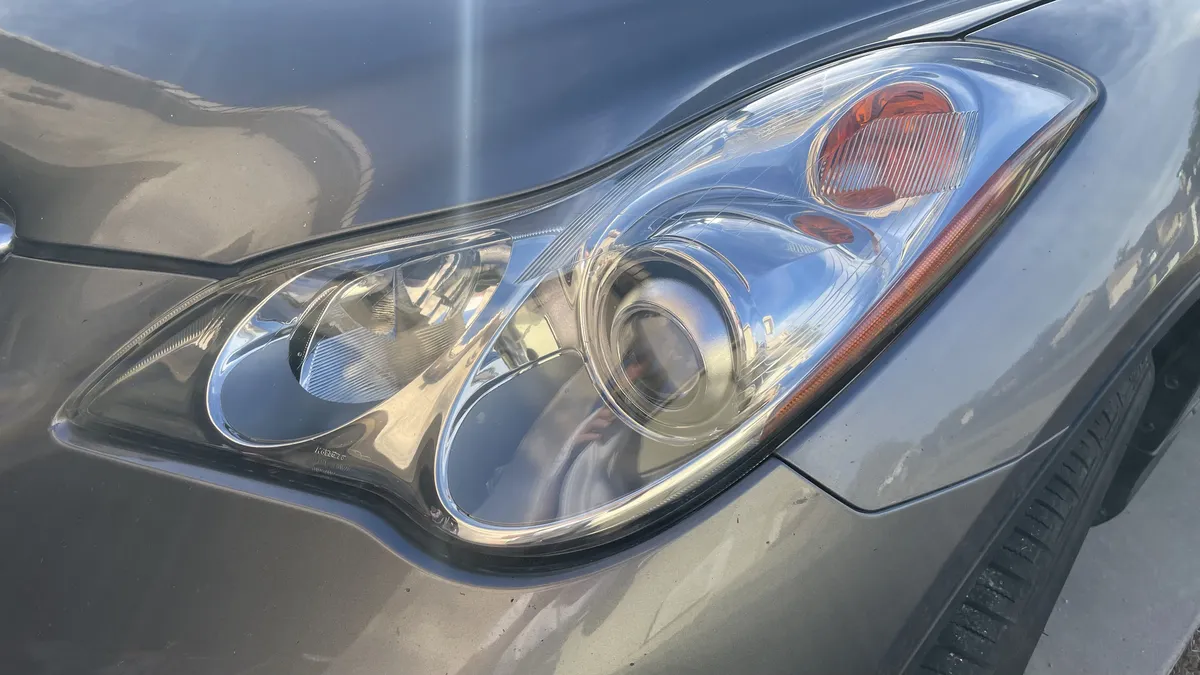
Monsoon season makes weak headlights obvious
Dust, rain, road film, and glare can make cloudy lenses more noticeable during Tucson monsoon season. The National Weather Service Tucson monsoon page is a useful local weather context source.
The headlight question is whether the issue is dirt and film, exterior oxidation, or moisture inside the housing.
Before, during, and after monsoon checklist
Use this checklist before long drives or after storms. It is not a replacement for vehicle maintenance, but it helps spot lens issues early.
For night-driving symptoms, read night driving in Tucson.
| Timing | What to check | Why |
|---|---|---|
| Before monsoon drives. | Dry lens clarity, bulbs working, no cracks or moisture. | Start with a known baseline. |
| During dusty periods. | Rinse dust before wiping and avoid dry rubbing. | Dust can scratch weakened plastic. |
| After rain or washes. | Look for haze returning when dry. | Wet clarity can hide oxidation. |
| After heavy storms. | Check for droplets behind the lens. | Internal moisture needs repair or replacement review. |
Dust, rain, and road film are not all oxidation
A dirty lens may improve after gentle washing. Oxidation remains cloudy or yellow after the lens dries. Internal moisture appears behind the plastic and cannot be corrected from the outside.
Use inside versus outside oxidation if droplets or internal haze are visible.
Cleaning after dust storms
Rinse before wiping. Use clean microfiber and car-safe soap. Avoid abrasive pads, household cleaners, and dry scrubbing on hot plastic.
If the vehicle was recently restored, follow the aftercare timing before washing aggressively.
When restoration before monsoon makes sense
If the lenses are already yellow, rough, or cloudy when dry, restoration review before storm season may be practical. If the problem is internal moisture, restoration is not the main fix.
The mobile service page explains how local service setup works.
Photos to send around monsoon season
Send dry photos after the lens has dried, plus an angled photo of each lens and a note about when the haze appears: after rain, after washing, at night, or all the time.
That helps separate grime, oxidation, and internal moisture.
Common questions
Does monsoon weather cause cloudy headlights?
It can add grime, water spotting, and visibility stress, but long-term UV oxidation is often the deeper cause.
Should I restore headlights before monsoon season?
If the lenses are cloudy, yellow, or rough when dry, photo review before monsoon driving can be useful.
What if water is inside the headlight?
Interior droplets or fog point to a seal or housing issue. Exterior restoration alone will not fix that.
Not sure if it is oxidation or moisture?
Text photos first. Dry close-ups and angled photos usually show whether the haze is on the outside lens or inside the assembly.
- Send dry daylight photos of both headlights.
- Add one front photo of the vehicle.
- Include year, make, model, and your general Tucson-area location.