Night Driving in Tucson: Why Clear Headlights Matter
Clear lenses are part of night-driving confidence in Tucson, especially on darker roads, during monsoon weather, and when dust or glare is already present.
Published 2026-06-02. Modified 2026-06-21. Reading time: 3 min read. Publisher: Tucson Headlight Restoration.
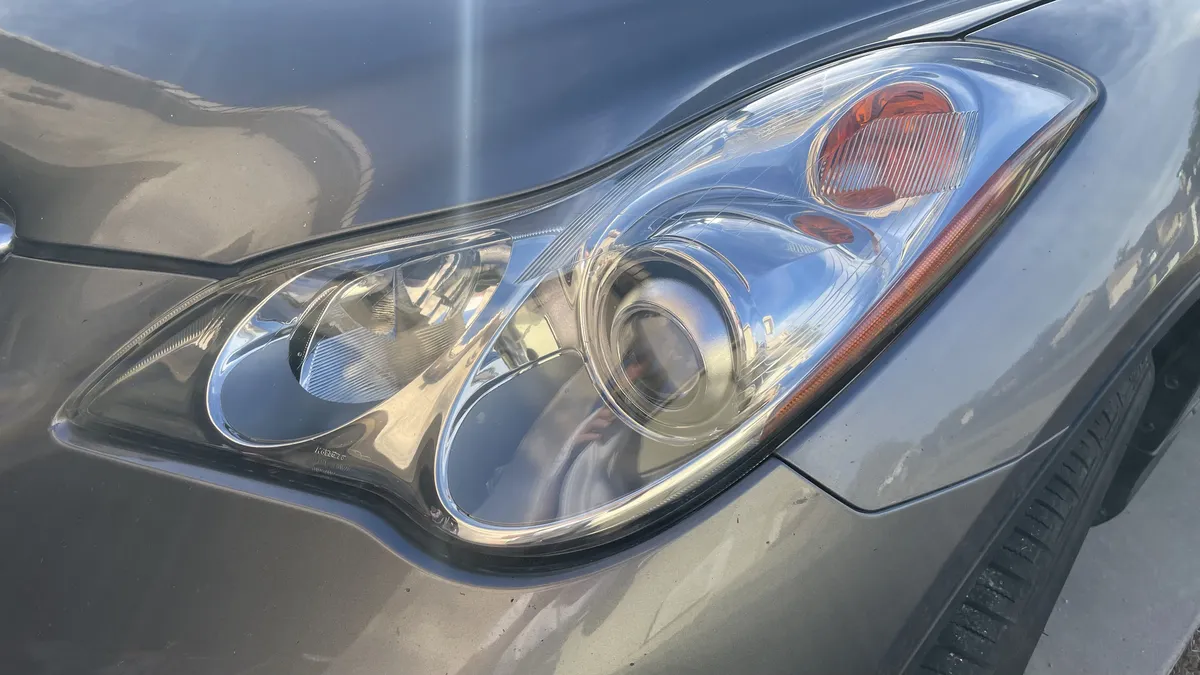
Headlights affect visibility and appearance
Cloudy lenses can scatter or block the clean path of light, but visibility problems can also come from bulbs, aim, wiring, reflectors, projectors, or moisture.
That is why a lens check should happen before buying bulbs or assuming restoration solves everything.
Visibility symptom, possible cause, next step
AAA has reported that clouded or yellowed headlights can greatly reduce light output compared with new headlights, while IIHS headlight testing considers illumination and glare. For Tucson drivers, the practical point is to check the whole lighting path.
Use this table to separate common causes.
| Symptom | Possible cause | Next step |
|---|---|---|
| Cloudy yellow lens in daylight. | Exterior oxidation. | Send photos for restoration review. |
| Clear lens but weak road lighting. | Bulb, aim, wiring, or internal reflector issue. | Consider lighting diagnosis. |
| Glare or scattered beam. | Cloudy lens, poor aim, or wrong bulb setup. | Check lens and aim separately. |
| Fog or droplets inside. | Internal moisture or seal issue. | Repair or replacement review. |
Tucson situations where clarity matters
Dark neighborhood streets, desert roads, monsoon rain, dust film, and longer drives to Phoenix, Nogales, Vail, or Mount Lemmon can make poor lens clarity more noticeable.
The road trip checklist is useful before longer drives.
Restoration versus bulbs
If the plastic lens is cloudy, new bulbs cannot remove the obstruction. If the lens is clear but light output is weak, the issue may be elsewhere.
Read why new bulbs will not fix cloudy lenses before spending on upgrades.
When restoration is not enough
Exterior restoration cannot fix broken housings, internal moisture, burned reflectors, failed LEDs, wiring problems, or bad aim. Those need a different path.
The restore, repair, replace guide helps sort the options.
Before buying bulbs or driving farther
Send dry daylight photos of both headlights, angled views, and a front vehicle photo. Include year, make, model, location, and what you notice at night.
Photos can help decide whether lens restoration is worth reviewing before bulbs, repair, or replacement.
How cloudy lenses affect night driving
Cloudy plastic scatters light before it reaches the road. That can make the beam look weak, unfocused, or glary even when the bulbs still work.
If visibility is the concern, check the dry lens first. Exterior oxidation, weak bulbs, poor aim, wiring issues, and internal reflector damage need different next steps.
Common questions
Can cloudy headlights affect night driving?
Yes, exterior haze can scatter or reduce the clean light path, though bulbs, aim, wiring, and internal damage can also be involved.
Should I replace bulbs first?
Not if the lens is visibly cloudy or yellow. Check lens condition first so you do not buy parts for the wrong problem.
Can restoration fix glare?
It can help when glare is caused by exterior lens haze, but aim, bulb choice, and internal damage may also need diagnosis.
Not sure if it is oxidation or moisture?
Text photos first. Dry close-ups and angled photos usually show whether the haze is on the outside lens or inside the assembly.
- Send dry daylight photos of both headlights.
- Add one front photo of the vehicle.
- Include year, make, model, and your general Tucson-area location.