Why New Bulbs or LED Upgrades Do Not Fix Cloudy Lenses
If the lens is cloudy, the light still has to pass through damaged plastic. Bulbs and LED upgrades are separate from lens restoration.
Published 2026-06-02. Modified 2026-06-21. Reading time: 3 min read. Publisher: Tucson Headlight Restoration.
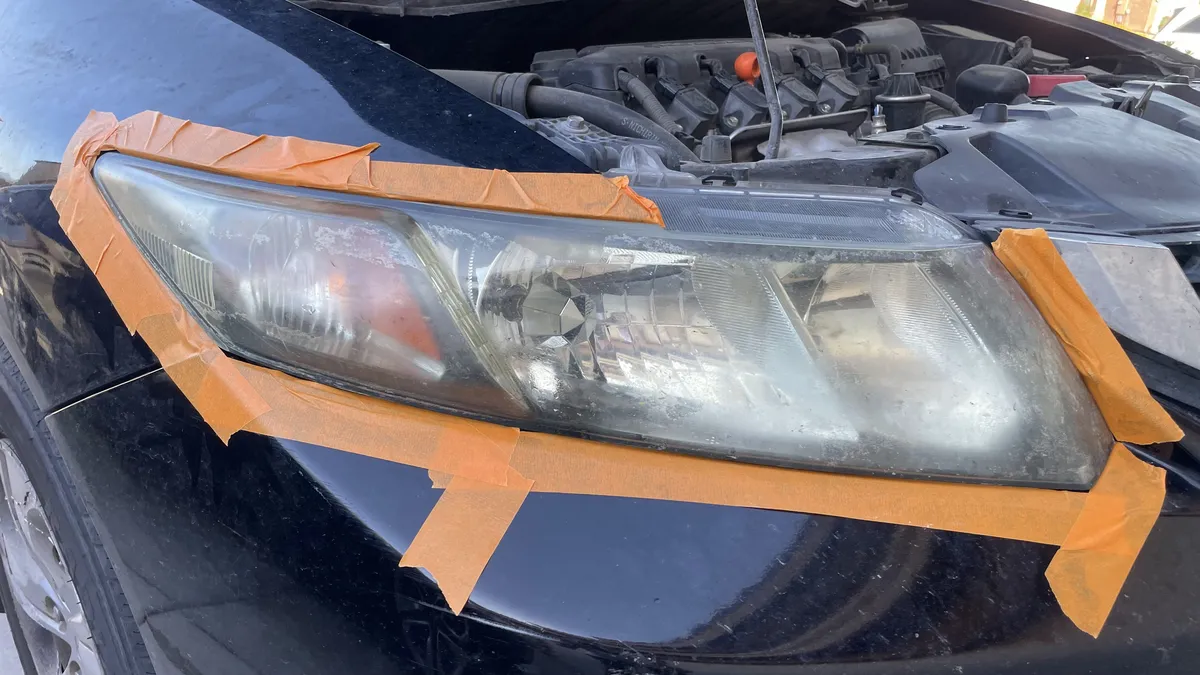
A brighter bulb still shines through the same lens
The headlight system includes bulb or LED source, reflector or projector, lens, aim, wiring, and housing. If the plastic lens is oxidized, a new bulb still has to shine through that damaged surface.
That is why bulbs and lens restoration should be diagnosed separately.
Bulb, lens, aim, or internal issue
Use this decision path before spending on upgrades. A cloudy lens and a bad bulb can even happen at the same time.
For safety context, NHTSA's vehicle equipment information is a useful starting point for understanding that lighting equipment is regulated as part of vehicle safety.
| What you see | Likely issue | Next step |
|---|---|---|
| Lens is yellow, cloudy, or chalky. | Exterior oxidation. | Send photos for restoration review. |
| Lens is clear but one light is out. | Bulb, wiring, or module issue. | Lighting diagnosis. |
| Beam points wrong or blinds others. | Aim or bulb fitment issue. | Aim and equipment check. |
| Fog or droplets behind lens. | Internal moisture or seal issue. | Repair or replacement review. |
Why LED upgrades can create new problems
LED upgrades may look brighter, but they do not remove oxidation. If the housing was not designed for that bulb pattern, glare or beam shape can become a separate issue.
For modern assemblies, read LED and projector headlights without replacement.
When restoration should come before bulbs
If the lens is visibly cloudy or yellow in daylight, checking restoration first may be more logical than buying bulbs. A clearer lens can help reveal whether the lighting hardware still has a problem afterward.
This is not a promise that restoration fixes every dim-light issue.
When bulbs or repair may be the real issue
If the lens is clear, one side is out, one side flickers, or the beam is aimed poorly, bulb, wiring, aim, or internal component diagnosis may come first.
Use yellow headlights vs dim bulbs for a focused symptom check.
Before buying bulbs or LEDs
Send dry lens photos if the plastic looks cloudy. Include both headlights, a front vehicle photo, year, make, model, location, and whether the issue is dim output, bulb failure, or lens haze.
The answer may be restoration, bulb replacement, aim correction, repair, or replacement review.
Yellow lens or dim bulb?
A yellow or chalky lens points to exterior plastic oxidation. A dim bulb issue often shows up as one side weaker than the other, flickering, warning lights, or poor output even through a clear lens.
If the lens is cloudy in dry daylight, new bulbs still have to shine through that damaged plastic. Photos of both headlights help separate lens restoration from bulb, aim, wiring, or assembly problems.
Common questions
Will new bulbs fix cloudy headlights?
No. New bulbs cannot clear oxidized plastic. They may help a bulb issue, but lens haze needs its own diagnosis.
Should I restore headlights before LED upgrades?
If the lenses are cloudy or yellow, check lens restoration before assuming an upgrade will solve the problem.
Can cloudy lenses and bad bulbs happen together?
Yes. A vehicle can have exterior lens oxidation and a bulb, aim, wiring, or internal issue at the same time.
Related service and decision pages
Not sure if it is oxidation or moisture?
Text photos first. Dry close-ups and angled photos usually show whether the haze is on the outside lens or inside the assembly.
- Send dry daylight photos of both headlights.
- Add one front photo of the vehicle.
- Include year, make, model, and your general Tucson-area location.