Cloudy or Hazy Headlights in Tucson: Exterior Haze or Moisture Inside?
Foggy can mean simple exterior haze, but it can also mean moisture inside the housing. Dry photos help separate the two.
A foggy-looking lens is often restorable when the cloudy look is on the outside plastic. If the haze is inside the headlight, or if you see droplets, cracks, or broken parts, repair or replacement may be smarter.
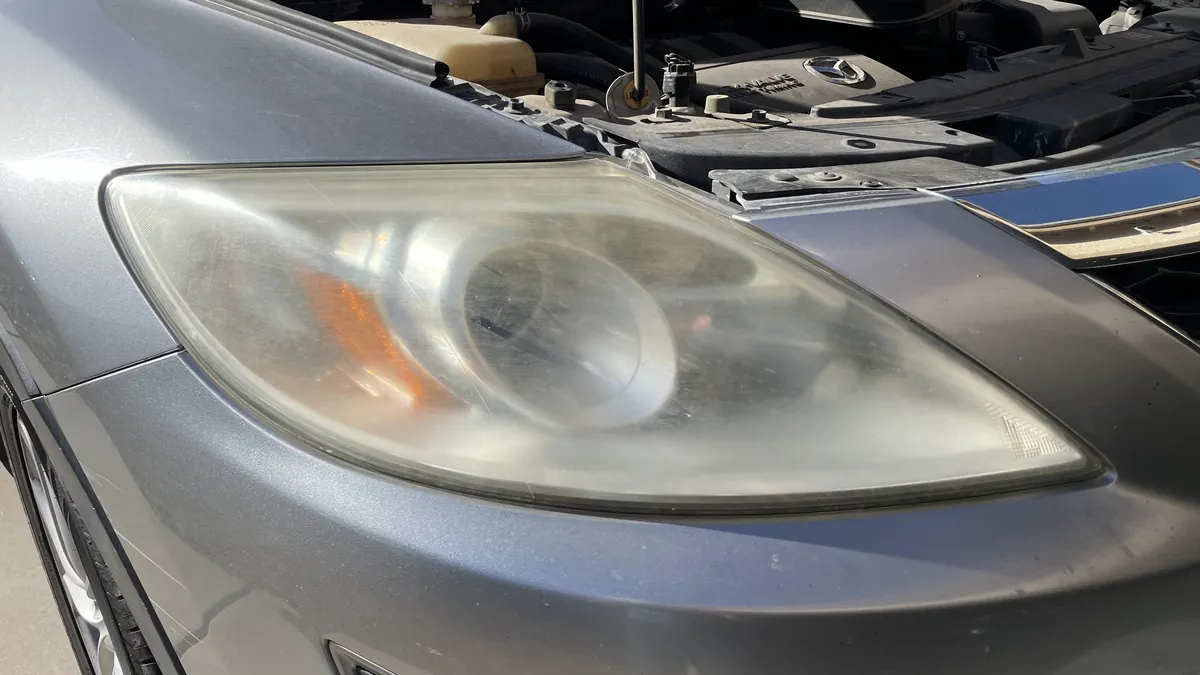
What a foggy-looking lens usually means
Many Tucson drivers use foggy, cloudy, hazy, and oxidized to describe the same dull lens. Exterior haze usually stays visible when the lens is dry.
Moisture inside looks different. You may see droplets, a wet patch, or cloudiness behind the plastic.
Exterior haze vs internal moisture
| What you see | Likely issue | Best next step |
|---|---|---|
| Dry lens looks white, dull, or chalky | Exterior oxidation or haze | Send photos for restoration review |
| Lens looks clear while wet, cloudy when dry | Exterior surface texture | Photograph it dry |
| Droplets or fog behind the lens | Internal moisture or seal issue | Repair or replacement review |
| Cracks, broken tabs, or deep internal haze | Assembly damage | Replacement may be better |
When restoration helps
Restoration can help when the lens is intact and the foggy look comes from exterior oxidation, sun haze, or a failing outer coating.
The quickest check is dry daylight photos of both headlights from straight-on and angled views.
When it may not help
Exterior restoration will not remove water trapped inside the headlight or fix a failed seal, cracked lens, broken housing, wiring issue, or damaged internal reflector.
If those issues show in the photos, the next step changes before an appointment is scheduled.
Common questions
Are cloudy headlight lenses always restorable?
No. Foggy can mean exterior haze, but it can also describe moisture behind the lens or internal failure. Dry photos and any visible droplets help separate restoration candidates from repair concerns.
When should I send photos of cloudy headlight lenses?
Send photos after the lenses are dry and in daylight. Include both headlights and angled views so surface haze, roughness, moisture, or cracks are easier to identify.
Does UV protection help cloudy headlight lenses?
UV protection belongs after exterior fogging or oxidation is corrected. It does not remove moisture inside the housing or fix a failed seal.
Can mobile service help with cloudy headlight lenses?
Mobile service may help if the foggy look is exterior lens damage and the location is workable. If the fog is inside the housing, repair or replacement review may be more appropriate.
Related pages
Not sure if it is oxidation or moisture?
Text photos first. Dry close-ups and angled photos usually show whether the haze is on the outside lens or inside the assembly.
- Send dry daylight photos of both headlights.
- Add one front photo of the vehicle.
- Include year, make, model, and your general Tucson-area location.