Why New Bulbs or LED Upgrades Do Not Fix Cloudy Headlight Lenses
New bulbs can help some lighting problems, but they do not repair cloudy plastic. Learn why lens clarity comes before brightness upgrades.
Published 2026-06-02. Modified 2026-06-02. Publisher: Alex Martinez.
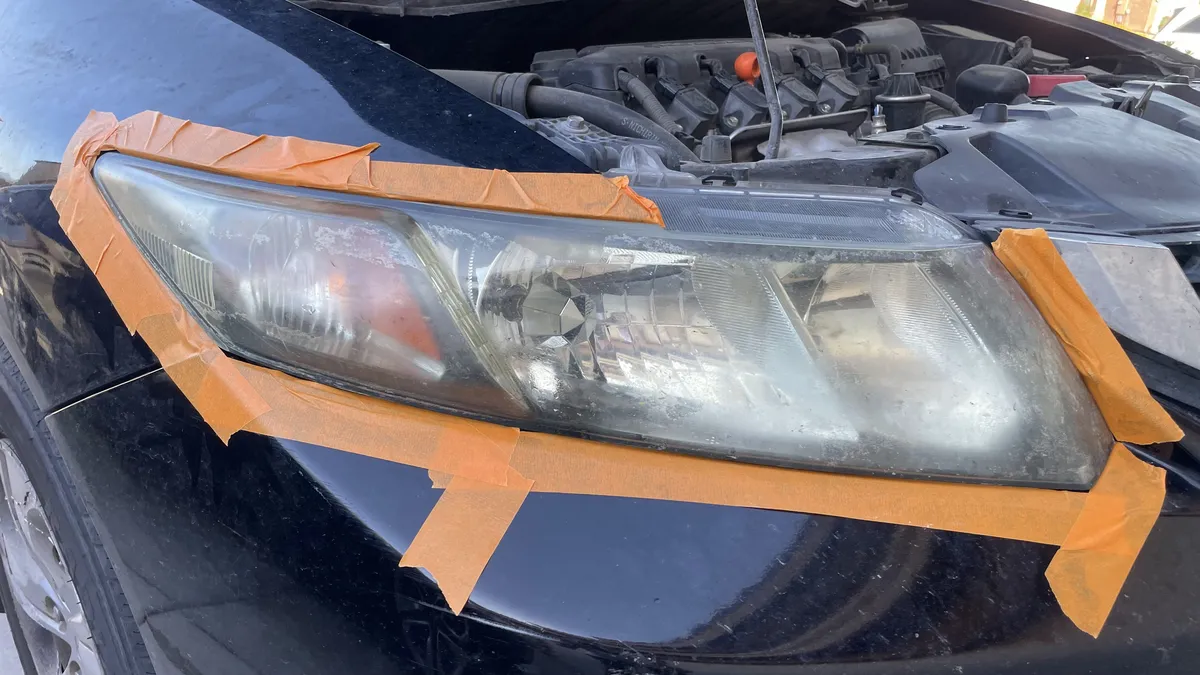
Overview
A common reaction to poor nighttime visibility is to buy brighter bulbs. It makes sense at first. If you cannot see well, more light sounds like the solution.
But if your headlight lenses are cloudy, yellow, or oxidized, new bulbs may not solve the problem. The light still has to pass through the damaged plastic lens. If that lens is blocking or scattering light, a brighter bulb can still produce a poor beam.
In some cases, brighter bulbs behind cloudy lenses can even create more glare without creating better usable visibility.
The lens is part of the lighting system
A headlight is not just a bulb. It is a system. The bulb produces light. The reflector or projector shapes it. The lens allows it to exit. The aim points it where it needs to go.
If any part of that system is compromised, performance suffers.
A cloudy lens is like a dirty window. Replacing the lamp behind the window does not clean the glass. It may make the glow stronger, but the view is still distorted.
For Tucson drivers with oxidized headlights, lens correction should often come before bulb upgrades.
Why LED upgrades can disappoint
LED bulbs are popular because they sound modern and bright. But installing LED bulbs into a housing designed for halogen bulbs can create issues if the beam pattern is not controlled properly. The result may look bright close to the vehicle but not project light where you need it.
If the lens is cloudy, the issue becomes worse. The damaged plastic scatters the light before it reaches the road. The driver may see more foreground brightness but not better distance visibility.
This is one reason why a vehicle can have bright looking headlights and still be difficult to drive at night.
Cloudy lenses reduce useful light
Cloudy and yellow lenses reduce clarity. The beam may become fuzzy, dim, uneven, or scattered. A headlight can appear bright when you stare at it, but still fail to light the road well.
The NHTSA has noted that dirty or damaged headlamps can reduce forward visibility and alter light distribution. That is the key issue. The problem is not only brightness. It is where the light goes.
A clean, clear lens helps the headlight system do its intended job.
When bulbs actually are the problem
Bulbs do fail. If one side is out, flickering, dimmer than the other, or the bulb is old, replacement may be needed. Electrical issues, poor grounds, damaged connectors, and aging assemblies can also affect output.
But if both bulbs work and the lenses look yellow or cloudy in daylight, replacing bulbs alone is not a complete fix.
A simple decision path:
1. If the bulb is out, fix the bulb or electrical issue.
2. If the lens is cloudy, evaluate restoration.
3. If the housing is wet or broken, evaluate repair or replacement.
4. If the beam is aimed wrong, adjust aim after the system is otherwise working.
5. If you want an upgrade, make sure the lens is clear first.
Why restoration before bulbs can save money
Some customers replace bulbs, then realize the headlights still look bad. Then they buy brighter bulbs, and the road still does not look clear. Then they consider replacing the full assemblies.
A smarter sequence is to inspect the lens first. If the plastic is the obvious problem, restoration may be the most logical first step.
Use the headlight restoration vs replacement in Tucson guide before buying expensive assemblies or upgrades.
What about headlight aiming?
Aim matters. A clear lens with poor aim can still create poor visibility or glare. If your vehicle was in an accident, had suspension changes, had headlight assemblies replaced, or feels like the beams point too high or low, aim may need attention.
Restoration improves lens clarity. It does not automatically correct aim. A good lighting setup may require both clear lenses and proper aim.
How to check whether the lens is the problem
Look at the headlights in direct daylight. If the lens looks yellow, milky, rough, or chalky, the lens is likely part of the problem.
Then turn the headlights on against a wall at dusk. If the beam looks diffused or uneven and the lens looks cloudy, restoration should be considered before upgrades.
You can also send photos to a professional. A photo quote can often tell whether lens oxidation is severe enough to justify restoration.
Next step
Before spending money on brighter bulbs or LED upgrades, send photos of your headlights. Tucson Headlight Restoration can explain whether headlight restoration in Tucson should come first.
Ready to see if your headlights can be restored?
Send clear photos of both headlights and include your vehicle details. Tucson Headlight Restoration will review the lens condition before scheduling mobile service.

Common questions
Will LED bulbs fix cloudy headlights?
No. LED bulbs do not repair the plastic lens. If the lens is cloudy or yellow, it can still scatter and block light.
Should I restore headlights before replacing bulbs?
If the lens is visibly oxidized, restoration should usually be considered before brightness upgrades. If a bulb is out, fix that separately.
Can brighter bulbs create more glare?
They can, especially if the beam pattern, aim, or lens condition is poor. More brightness does not always mean better road visibility.
How do I know if my bulbs or lenses are the problem?
Check whether the bulbs work, inspect the lens in daylight, and compare the beam against a wall. Cloudy lenses point toward restoration.
Get a quote in 30 seconds
Send clear photos of both headlights before buying a kit or replacing the assemblies. Tucson Headlight Restoration will review the lens condition before scheduling mobile service.
- Take two clear photos of your headlights.
- Text them to 520-254-7620.
- Include year, make, model, and service area.
- Get a clear recommendation before buying a kit or replacing the headlights.