Best Parking Habits to Protect Your Headlights From Arizona Sun
Parking choices cannot reverse cloudy headlights, but they can reduce sun exposure and support better aftercare after restoration.
Published 2026-06-02. Modified 2026-06-21. Reading time: 3 min read. Publisher: Tucson Headlight Restoration.
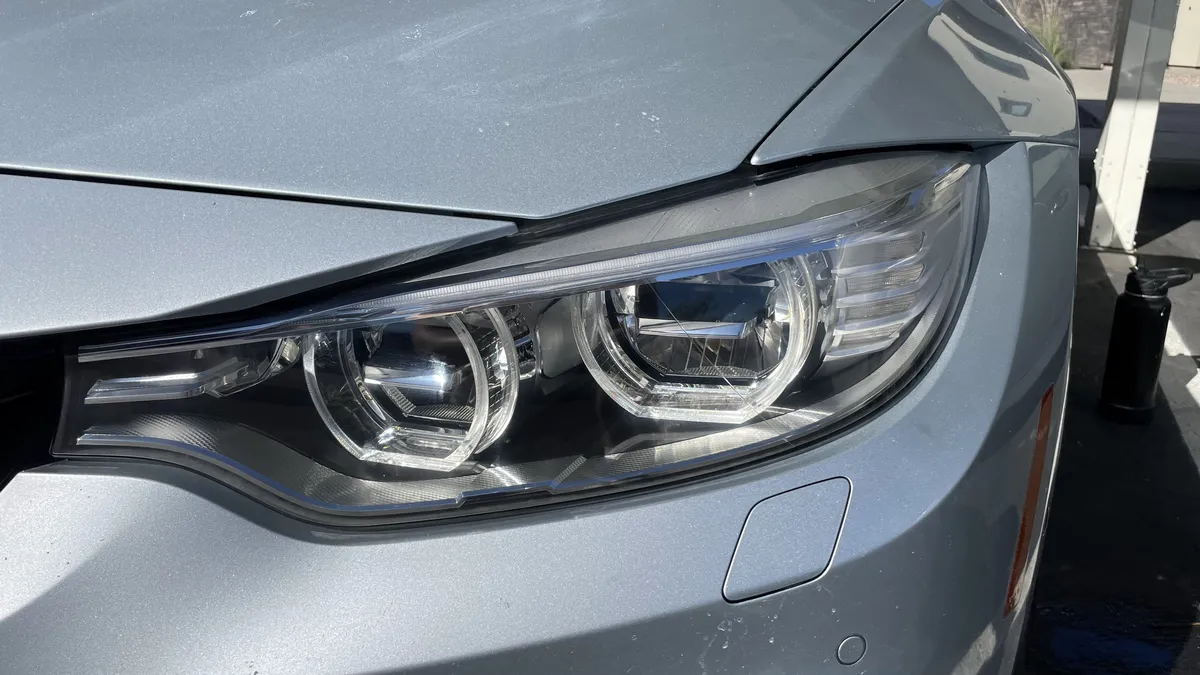
Parking helps, but it does not undo oxidation
Arizona sun is hard on exterior plastic. Parking habits can reduce exposure, but they cannot restore a headlight that is already yellow, rough, cloudy, or patchy.
The goal is prevention and aftercare. If your lenses are already oxidized, review UV protection in Arizona and how long restoration lasts.
Habit, why it helps, limitation
Tucson heat and sun exposure vary by month. The National Weather Service Tucson monthly normals page gives useful local climate context, including the hotter months when shade matters most.
Use this table as a practical parking filter.
| Habit | Why it helps | Limitation |
|---|---|---|
| Choose covered parking when practical. | Reduces direct UV and heat exposure. | Does not reverse existing oxidation. |
| Face the vehicle away from harsh afternoon sun. | May reduce exposure on the front lenses. | Not always possible in public lots. |
| Avoid parking under messy trees for long periods. | Limits sap, debris, and abrasive cleanup. | Shade may still be useful for short stops. |
| Keep lenses clean with gentle washing. | Removes dust and film before it bakes on. | Harsh washing can create its own problems. |
Best, better, avoid
Best is covered parking or a garage when you have it. Better is shade during the strongest sun or choosing a parking angle that protects the front end.
Avoid letting dust, sap, sprinkler minerals, and wash chemicals sit on the lenses for long periods. For wash-related haze, read why headlights look cloudy after a car wash.
- Best: garage, carport, or covered work parking
- Better: shade during peak heat
- Helpful: gentle cleaning after dusty drives
- Avoid: abrasive dry wiping
- Avoid: assuming shade can fix damaged plastic
Car covers and sunshades
A full car cover can help if it is clean and used correctly, but dusty covers can drag grit across paint and lenses. A windshield sunshade helps cabin heat more than headlight plastic.
If the vehicle sits for long periods, inspect the headlights dry before and after storage so early haze does not surprise you.
After restoration, protection still needs care
Restored lenses still live in Tucson sun. UV protection and aftercare help, but no result is permanent. Gentle washing, practical shade, and avoiding abrasive cleanup all matter.
Use the aftercare guide after any restoration service or DIY attempt.
When to send photos
If one headlight is yellow, if both lenses feel rough, or if parking in shade no longer changes how the car looks, send photos before buying another wipe or coating.
Dry photos make the condition easier to judge than wet or freshly washed lenses.
Common questions
Can parking in shade prevent cloudy headlights?
Shade can help reduce exposure, but it cannot fully prevent aging or reverse oxidation that has already happened.
Should I use a car cover to protect headlights?
A clean cover can help a stored vehicle, but a dusty cover can drag grit across the lenses. Use care and avoid rubbing dirty material on the plastic.
What parking habit helps most in Tucson?
Covered parking is usually the most helpful when available. If it is not available, reduce harsh afternoon exposure and keep lenses gently clean.
Already cloudy, or trying to protect a clear lens?
If the headlights are cloudy now, photos should come before coating talk. If they were recently restored, focus on gentle washing, shade when practical, and aftercare.
- Send current photos of both headlights.
- Mention when they were last restored, if known.
- Include parking, washing, or car wash concerns.