Tucson Monsoon Driving: How Dust, Rain, and Haze Affect Headlight Clarity
Tucson monsoon season brings dust, rain, glare, and low visibility. Learn how cloudy headlights can make driving harder and how to care for your lenses.
Published 2026-06-02. Modified 2026-06-02. Publisher: Alex Martinez.
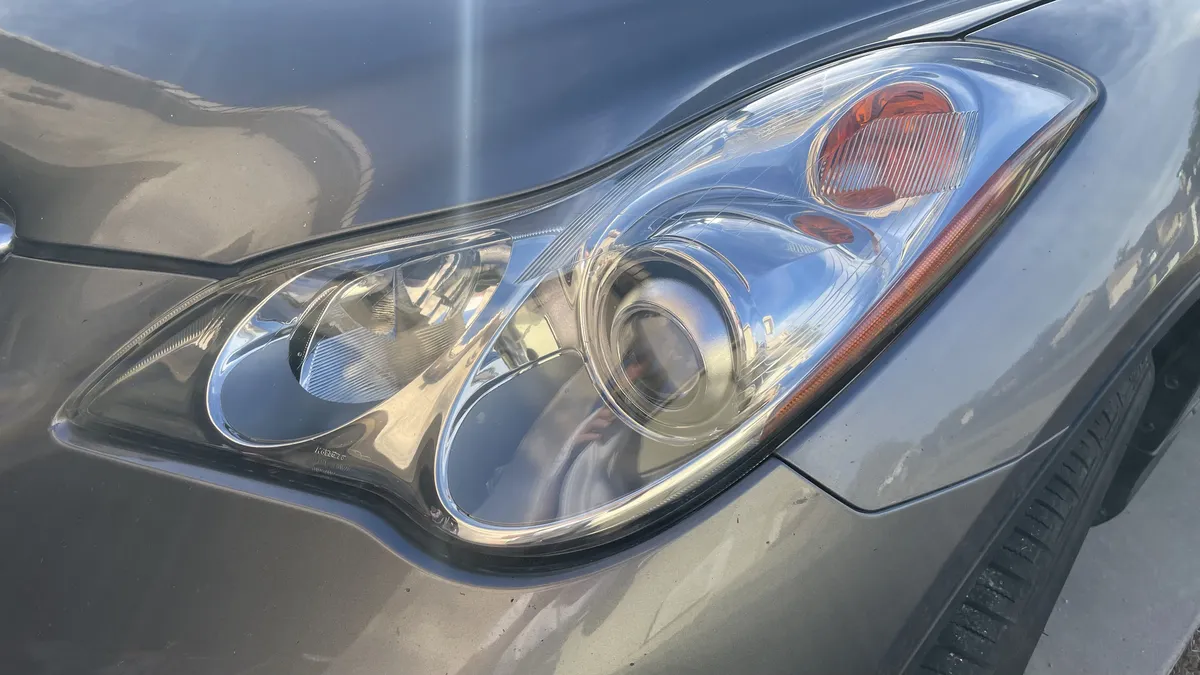
Monsoon season changes the visibility problem
Tucson drivers know monsoon season can change road conditions quickly. Dust, rain, glare, standing water, and sudden low visibility can make driving more demanding. In those conditions, clear headlights matter.
The National Weather Service Tucson monsoon safety page lists hazards such as lightning, high winds, dust storms, flash flooding, and extreme heat. For drivers, visibility can become a serious issue very quickly.
If your headlights are already cloudy or yellow, monsoon conditions can make the weakness more obvious.
Dust can coat the lens
Dust does not only affect the windshield. It can also coat headlights. If the lens is already rough from oxidation, dust can cling to the surface more easily and make the headlight look even duller.
A smooth, protected lens is generally easier to keep clean than a rough oxidized one.
Rain can create glare and scatter
Cloudy lenses scatter light. Rain already reduces contrast on the road. When these two problems combine, the driver may feel like the lights are on but not reaching far enough.
This is especially noticeable on darker roads or during evening storms.
Mud and road film can build up quickly
After storms, road spray can leave dirt, minerals, and film on the front of the vehicle. Oxidized headlights can hold that film unevenly.
Cleaning helps remove fresh contamination, but it will not remove the underlying oxidation if the plastic is already damaged.
When to restore before monsoon season
Consider restoring before monsoon season if:
1. The headlights are yellow in daylight
2. The lenses look foggy after washing
3. Night driving already feels dim
4. The car is used for commuting or delivery
5. You often drive on darker roads
6. You see rough or chalky texture on the lens
Monsoon headlight care tips
During monsoon season:
1. Wipe lenses gently after heavy dust exposure
2. Avoid abrasive dry wiping on dusty lenses
3. Rinse before touching if the lens is gritty
4. Check for moisture inside the headlight after storms
5. Avoid harsh scrubbing on restored lenses
6. Follow aftercare instructions after restoration
What restoration can and cannot fix
Restoration can help with external oxidation, yellowing, and cloudy lens surfaces. It cannot fix internal moisture, cracked housings, electrical issues, or bad bulbs.
If you see water inside the headlight after a storm, read about inside vs outside oxidation before booking.
Final recommendation
Monsoon season is not the time to ignore cloudy headlights. If your lenses are already hazy, dusty weather and rain can make visibility feel worse.
Send photos before monsoon driving gets more demanding and ask whether restoration is a good fit.
Ready to see if your headlights can be restored?
Send clear photos of both headlights and include your vehicle details. Tucson Headlight Restoration will review the lens condition before scheduling mobile service.

Common questions
Do dusty roads make headlights cloudy?
Dust can coat the lens and make existing haze look worse. Long term cloudiness usually comes from oxidation and surface damage, not dust alone.
Should I restore headlights before monsoon season?
If your lenses are already yellow, cloudy, or rough, restoration before monsoon season can be a practical visibility and appearance improvement.
Can restoration fix water inside headlights?
No. Water inside the assembly points to a seal, crack, housing, or ventilation issue.
How should I clean headlights after a dust storm?
Rinse or gently clean them instead of dry wiping abrasive dust across the lens.
Get a quote in 30 seconds
Send clear photos of both headlights before buying a kit or replacing the assemblies. Tucson Headlight Restoration will review the lens condition before scheduling mobile service.
- Take two clear photos of your headlights.
- Text them to 520-254-7620.
- Include year, make, model, and service area.
- Get a clear recommendation before buying a kit or replacing the headlights.