Headlight UV Protection in Arizona: What Actually Helps Restored Lenses Last Longer?
Restoration without UV protection is incomplete in Tucson. This guide explains what protects restored headlights and what habits shorten results.
Published 2026-06-02. Modified 2026-06-02. Publisher: Alex Martinez.
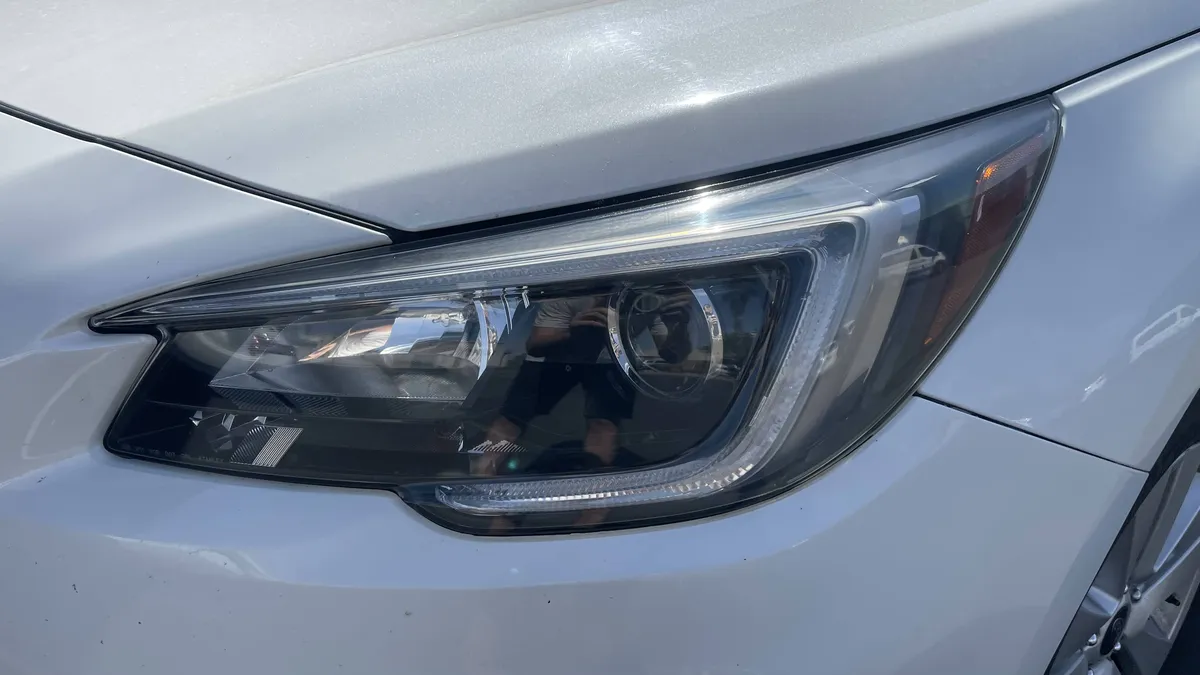
Overview
A headlight restoration should not end with a shiny lens. In Arizona, the protection step matters just as much as the correction step. Tucson sun is strong enough to fade paint, dry out rubber, weaken exterior plastics, and break down the factory coating on headlight lenses. If a restored lens is left unprotected, the plastic is exposed again.
That is why UV protection is not a bonus. It is part of the job.
This guide explains what headlight UV protection does, why it matters in Tucson, and how customers can avoid shortening the life of a restoration.
Why headlights need UV protection
Most modern headlights are polycarbonate plastic. The lens originally comes with a protective coating from the manufacturer. Over time, UV exposure, heat, dust, washing, and abrasion weaken that coating. Once it fails, the plastic underneath starts to oxidize.
Restoration removes the failed outer layer and brings back clarity. But removing damaged material also means the lens needs renewed protection. Without protection, the lens may look great for a short time but begin fading again.
A complete headlight restoration in Tucson should include surface correction and a protective finish appropriate for Arizona conditions.
What UV protection can and cannot do
UV protection helps slow future oxidation. It does not make a headlight invincible or immune to damage. Tucson heat, sun, car washes, road dust, and parking habits still matter.
Good protection can:
1. Reduce direct UV exposure to the plastic surface.
2. Help maintain gloss and clarity longer.
3. Make the lens easier to clean.
4. Slow the return of yellowing and haze.
5. Protect the restored surface during normal use.
It cannot:
1. Fix internal moisture.
2. Repair broken housings.
3. Reverse deep plastic crazing.
4. Stop damage from harsh brushes or chemicals.
5. Promise forever clarity.
This honest distinction is important. Strong SEO content should build trust, not promise impossible results.
Ceramic coating, sealant, or clear coat?
Different restoration businesses use different protection systems. Some use ceramic style coatings. Some use dedicated headlight sealants. Some use sprayed clear coats. Some DIY kits include wipe on protection.
Each option depends on prep, product quality, application, curing conditions, and maintenance. A premium product applied poorly may fail. A simpler product applied correctly may perform better than expected.
For a customer, the most important questions are:
1. Was the oxidation actually removed before protection?
2. Was the surface refined evenly?
3. Was the lens clean and dry before application?
4. Was the coating allowed to cure?
5. Were aftercare instructions explained clearly?
In Tucson, curing matters because dust, sprinklers, car washes, and intense heat can interfere with a fresh protective layer.
The first week after restoration is critical
After restoration, the protective layer needs time to set and cure. The exact timeline depends on the product used, but the first hours and days are usually the most sensitive.
Customers should avoid touching the headlights immediately after the service. They should avoid washing the vehicle too soon. They should keep the lenses dry during the early curing period when possible. They should avoid automatic car washes, especially brush washes, while the coating is fresh.
If full cure takes several days, treat the lenses gently during that window. In Tucson, parking in shade or covered parking during curing can help reduce stress on the coating.
For practical aftercare details, connect this post to how to keep headlights clear after restoration in Arizona.
Parking habits matter more than people think
Two identical vehicles can age differently based on parking. A car parked outside all day near Speedway, Oracle, Grant, Valencia, or in an uncovered apartment lot may see more UV exposure than a car parked in a garage or carport.
If one side of the car faces the sun more often, one headlight may yellow faster. This is common when a vehicle is parked in the same direction every day.
You do not need perfect garage parking to protect your headlights. Even small changes can help:
1. Use shade when it is convenient.
2. Avoid parking directly under sprinklers.
3. Keep the lenses clean, but use gentle methods.
4. Avoid brushing dry dust across the lens.
5. Do not use harsh household cleaners on headlights.
Washing habits can shorten or extend results
Automatic car washes are convenient, but harsh brushes, strong chemicals, and repeated abrasion can wear on headlight protection. This does not mean every wash will destroy restored headlights. It means that repeated aggressive washing can reduce longevity.
A safer approach is to rinse dust first, wash with clean microfiber towels, use automotive soap, and dry gently. Avoid abrasive pads, magic eraser style products, and strong solvents unless a professional recommends them for a specific reason.
If your customers already use automatic washes, this post can internally link to a dedicated article about automatic car wash headlight damage.
When protection cannot save a lens
Some headlights are too far gone for perfect results. Deep crazing, internal cracks, peeling internal reflectors, and moisture problems are not solved by UV coating. Protection helps the surface, not the entire assembly.
This is why honest inspection matters. A professional should tell the customer when restoration is likely to improve the lens and when replacement may be the better long term option.
Next step
If your headlights are already yellow, cloudy, or oxidized, protection alone will not fix them. Request a photo quote for mobile headlight restoration in Tucson, then follow the aftercare instructions carefully so the restored lenses have the best chance against Arizona sun.
Ready to see if your headlights can be restored?
Send clear photos of both headlights and include your vehicle details. Tucson Headlight Restoration will review the lens condition before scheduling mobile service.
Related hub
For the broader decision path, see the headlight protection in Arizona hub.
Common questions
Do restored headlights need UV protection?
Yes. Restoration removes damaged material, and the lens needs a protective layer to help slow future oxidation.
Is ceramic coating good for headlights in Arizona?
A quality coating can help when the lens is properly prepared and the coating is allowed to cure. Product quality, application, and aftercare all matter.
Can I wash my car after headlight restoration?
Follow the specific curing instructions from the service provider. In general, avoid washing too soon and avoid harsh automatic brush washes while the protection is fresh.
Does UV protection make headlights last forever?
No. It helps slow damage, but sunlight, heat, abrasion, washing, and parking habits still affect longevity.
Get a quote in 30 seconds
Send clear photos of both headlights before buying a kit or replacing the assemblies. Tucson Headlight Restoration will review the lens condition before scheduling mobile service.
- Take two clear photos of your headlights.
- Text them to 520-254-7620.
- Include year, make, model, and service area.
- Get a clear recommendation before buying a kit or replacing the headlights.