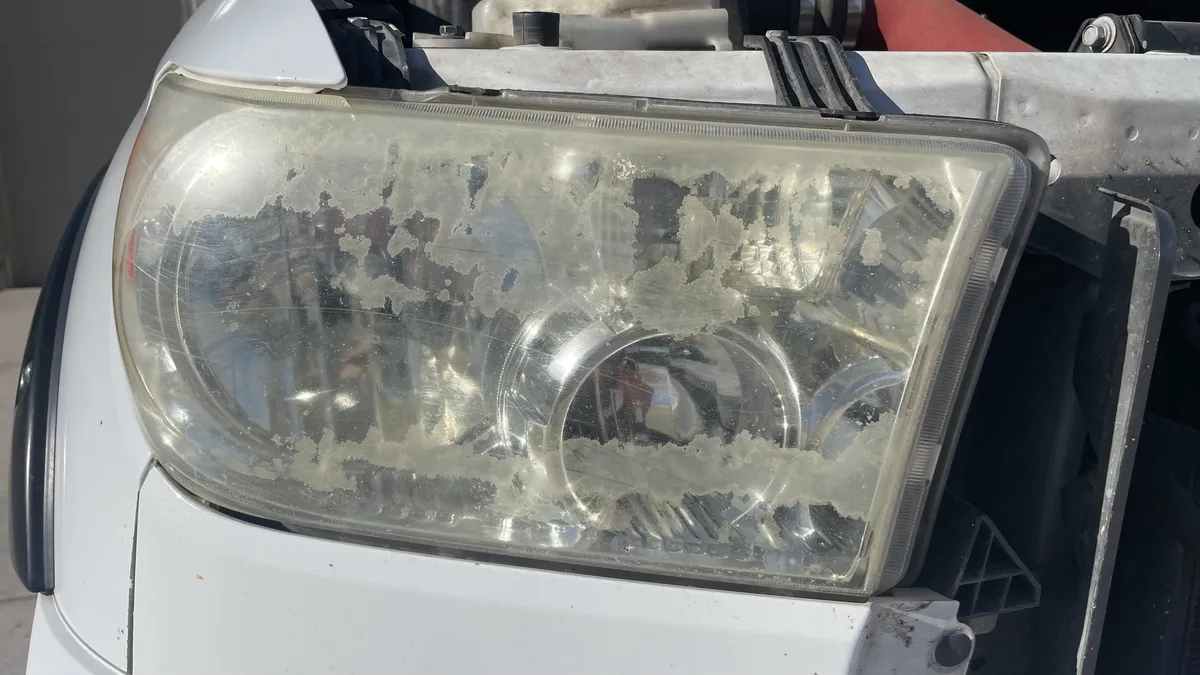
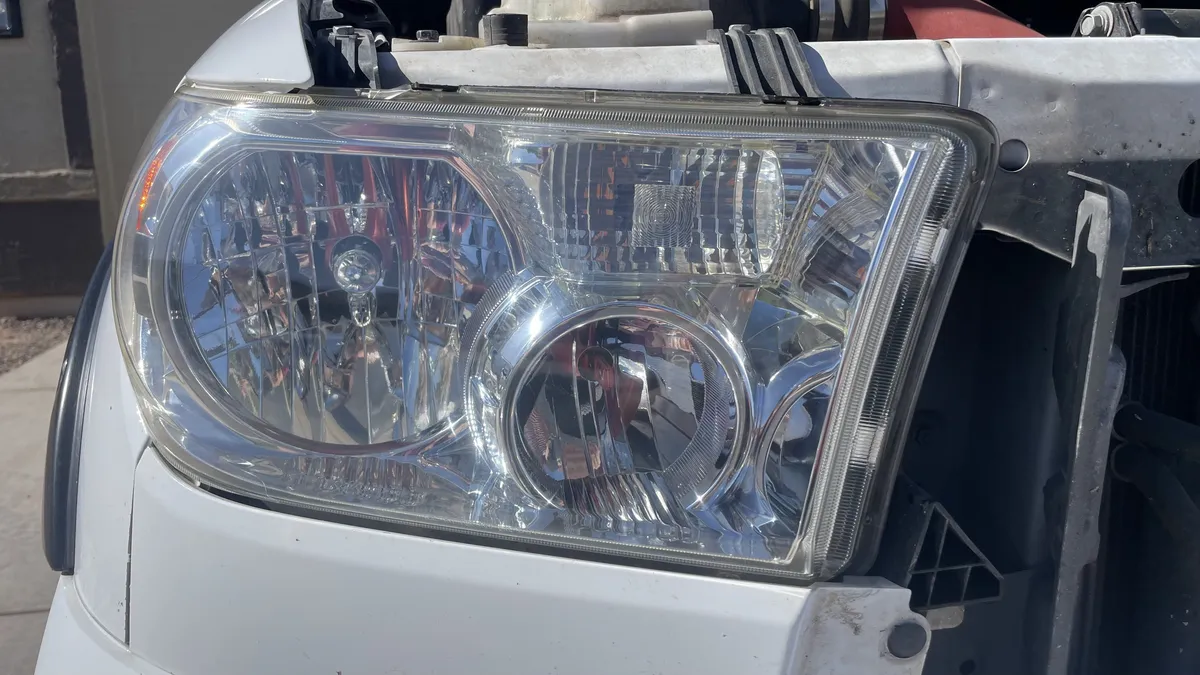
Headlight Restoration Near Me in Tucson: How to Choose a Local Service
Looking for headlight restoration near you in Tucson? Start with lens condition, process, UV protection, honest limits, and a photo-based quote before choosing only by distance or price.
Published 2026-06-02. Modified 2026-06-21. Reading time: 9 min read. Publisher: Tucson Headlight Restoration.
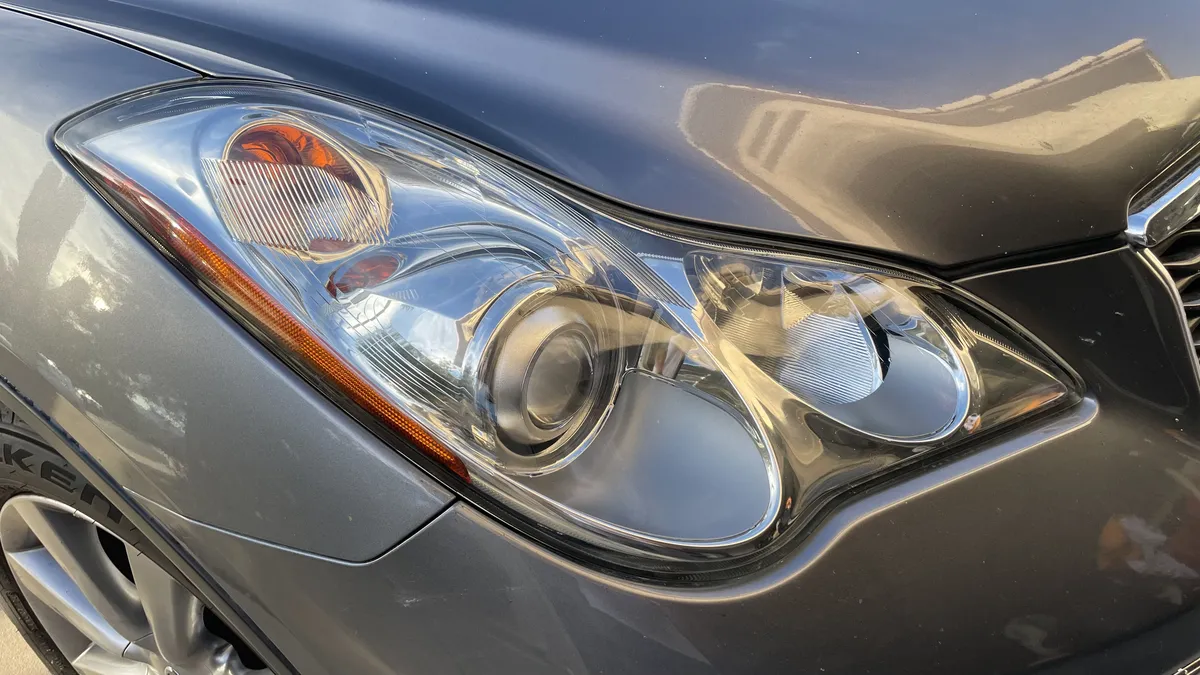
Choose by lens condition, not distance
If you are searching for headlight restoration near me in Tucson, choose a local service that reviews photos first, explains the restoration process, includes UV protection, and is honest when replacement or further inspection is better. Distance matters, but the lens condition matters more.
Tucson Headlight Restoration is a local mobile service focused on cloudy, yellow, hazy, oxidized, and sun-damaged plastic headlight lenses. The practical next step is simple: send clear daylight photos of both headlights before you book, buy a kit, or replace assemblies.
Not sure if your headlights are a good restoration candidate? Text dry photos for review before choosing the closest listing or the cheapest quick shine.
Why near me is only the starting point
Near-me searches are useful because mobile service depends on location. Tucson, Oro Valley, Marana, Sahuarita, Vail, Green Valley, Catalina Foothills, Casas Adobes, Rita Ranch, and nearby Southern Arizona communities can all have different appointment logistics. Parking, access, shade, weather, and schedule still have to be practical.
But proximity does not tell you whether the provider understands exterior oxidation, peeling old coating, internal moisture, cracks, failed DIY attempts, or Arizona UV exposure. A nearby provider who only sells a quick wipe-on shine may not be the right fit for a lens that needs careful preparation and protection.
Use the main headlight restoration service page to compare what a focused Tucson restoration service should explain before you book.
What a good local restoration service should include
A useful service description should mention inspection, preparation, masking, controlled exterior correction when the lens condition calls for it, clarity refinement, final inspection, UV protection, and aftercare guidance. Those steps matter because most Tucson headlight problems are more than dirt. They are usually damaged exterior plastic.
The provider should also talk about limits. Restoration may not be the right fix for cracked lenses, water inside the housing, broken tabs, severe internal damage, peeling internal coatings, deep crazing, or structural failure. A service that can say no is more trustworthy than one that claims every headlight can be restored.
For mobile work, a good provider should ask about the vehicle location. A driveway, apartment lot, work parking area, or shaded spot may work if there is safe access around the front of the vehicle. Learn more on the mobile headlight restoration page.
- Reviews photos before giving firm direction.
- Explains inspection, prep, masking, controlled exterior correction, final inspection, and UV protection.
- Discusses mobile setup, shade, access, and scheduling limits.
- Separates exterior oxidation from cracks, moisture, and internal damage.
- Offers before and after examples without promising every lens will look new.
Red flags in cheap or temporary restoration
A low price is not a problem by itself. Some headlights are mild and straightforward. The red flag is a price or promise that ignores the lens condition. Be careful with listings that promise results that never age, like-new headlights every time, no inspection needed, or instant clarity without preparation.
Another warning sign is a service that talks only about shine. Wet-looking gloss can hide oxidation temporarily, especially in photos. If the damaged plastic is not corrected and protected, Tucson sun can reveal weak prep quickly. The related guide why cheap headlight restoration often does not last in Arizona explains the risk.
| Claim or behavior | Why it matters | Better question to ask |
|---|---|---|
| Quotes from one vague sentence | The lens may have cracks, moisture, failed DIY marks, or old coating. | What photos do you need before confirming the quote? |
| Only promises shine | Gloss is not the same as corrected exterior oxidation. | What steps happen before UV protection? |
| No limit discussion | Some headlights need repair or replacement instead. | What signs make restoration the wrong fix? |
| Ignores mobile setup | Tucson heat, parking, access, and shade can affect scheduling. | Where can the service safely happen? |
Questions to ask before hiring someone nearby
Ask whether the quote is based on photos, what the process includes, what protection is applied after correction, and how the provider handles headlights with cracks or moisture. Ask whether the vehicle can be serviced at your location and what parking conditions are needed.
You do not need proprietary product details to make a good decision. In fact, a professional service should be able to describe the work clearly without naming private supplier information or turning the conversation into product hype. The useful details are diagnosis, prep quality, protection, aftercare, and limits.
If you are comparing price, read the Tucson headlight restoration cost factors guide before choosing by the lowest number alone.
- Do you review dry photos before confirming the job?
- What steps are included besides making the lens shiny?
- Is UV protection included after clarity is restored?
- What conditions should be repaired or replaced instead?
- Can the vehicle be serviced at my home, workplace, or other practical location?
When restoration makes sense
Restoration makes sense when the headlight assembly is intact and the problem appears to be on the outside of the plastic lens. Common good candidates are cloudy lenses, yellowed lenses, hazy lenses, chalky top edges, oxidized plastic, and sun-damaged headlights that stay dull after washing.
For Tucson drivers, restoration can be a smart first step before replacing assemblies when the lens is a good candidate. Arizona UV exposure can make headlights look older than the rest of the vehicle, and replacement assemblies can involve parts research, fitment questions, and installation. Restoration avoids that path when the original assembly is still sound.
If you want to compare examples before sending photos, visit the before and after gallery.
When replacement or inspection may be better
Replacement or further inspection may be better when there is internal moisture, water droplets behind the lens, a cracked outer lens, broken mounting tabs, failed seals, damaged wiring, burned reflectors, deep internal haze, or severe structural failure. Exterior restoration cannot repair those issues.
Deep crazing can also limit results. Some surface texture may improve, but cracking that runs through the plastic can remain visible. If the light output problem continues even with a clear lens, bulbs, aim, wiring, or internal components may need separate diagnosis.
Before buying assemblies, compare the issue with the restoration vs replacement guide.
A local service should not promise restoration for cracked, wet, internally damaged, or structurally failed headlights. Photos help screen those problems before scheduling.
What photos to send before booking
Send one dry close-up of each headlight, one angled photo from each side, and one full front photo of the vehicle. Include the year, make, model, your Tucson-area location, and any history such as a previous kit, previous restoration, moisture, cracks, or one side looking worse.
Dry photos are important because water can temporarily fill rough texture and make oxidation look lighter. Avoid taking only the best-looking angle. The goal is not to make the lens look good in the photo. The goal is to show the condition clearly enough to recommend the right next step.
For a step-by-step version, use the headlight photo guide.
- Close-up of driver side headlight.
- Close-up of passenger side headlight.
- Angled photo showing surface texture and top-edge oxidation.
- Full front vehicle photo for shape, trim, and access context.
- Notes about cracks, moisture, old kits, or mobile-location restrictions.
How a good mobile appointment should feel
The quote should not feel like a mystery. After photos are reviewed, you should know whether the headlights appear to be restoration candidates, whether mobile service looks practical, and what details may affect the appointment. You should also know if there are warning signs that point toward repair or replacement.
During service, the provider should protect surrounding paint and trim, work carefully around the lens shape, check clarity before finishing, and add UV protection. Afterward, you should receive realistic aftercare guidance for Tucson sun, dust, washing, and curing time.
Local next step
If you are searching from Tucson or a nearby Southern Arizona community, do not stop at the first nearby listing. Send photos and ask the right questions. A good local headlight restoration recommendation should tell you whether the lens looks restorable, what mobile setup is needed, and when replacement should be considered instead.
The fastest path is to text photos for review, then compare the recommendation with the main service page, mobile service details, cost factors, and restoration vs replacement.
Before booking from a near-me search, send clear dry photos of both headlights. The quote should follow the lens, not just your ZIP code.
How service area details affect booking
For a mobile service, local coverage is more than a map question. Tucson drivers may be in a driveway, a gated community, an apartment lot, a workplace, or a shaded parking area. Nearby communities such as Oro Valley, Marana, Vail, Sahuarita, Green Valley, Catalina Foothills, Casas Adobes, and Rita Ranch can be practical when scheduling, access, weather, and service conditions line up.
That is why the quote request should include the location and parking context, not just the city. A provider who asks where the vehicle will be parked is not making the process harder. They are checking whether careful masking, controlled exterior correction, final inspection, and UV protection can happen safely and without rushing.
What proof should you look for?
Before and after photos are useful, but look at them carefully. A good gallery should show real lens clarity, dry clarity instead of wet shine or a dramatic angle. The best proof is consistent improvement on cloudy, yellow, hazy, and oxidized plastic lenses, along with language that admits some headlights need replacement instead.
Reviews can also help, but they should not replace diagnosis. A review tells you that another customer had a good experience. Your quote still depends on your lens condition, vehicle access, and any damage that photos show. Use the before and after gallery as evidence, then send your own photos for a condition-specific recommendation.
- Photos show dry, clear results rather than only wet gloss.
- The service explains what kinds of damage are not restorable.
- The provider asks for photos before confirming the job.
- The process mentions UV protection and aftercare.
- The recommendation changes when cracks or moisture are visible.
Compare proof, process, and limits
After a near-me search, compare more than distance. Look for before-and-after examples with dry clarity, a process that includes preparation and UV protection, and clear language about when restoration is the wrong fit.
A local provider should be willing to review both headlights before booking. That helps catch moisture, cracks, severe crazing, or previous product residue before you schedule a mobile visit or choose by the first listing you see.
Ask for plain-language limits
A good near-me result should explain what the service can and cannot solve. Cloudy exterior plastic belongs in one lane. Cracks, water inside the housing, broken tabs, burned reflectors, failed seals, and electrical issues belong in another.
That plain-language limit protects your budget. It also shows whether the provider is diagnosing the lens or selling the same answer to every searcher.
Common questions
What should I look for in headlight restoration near me?
Look for photo review, a clear process, UV protection, mobile setup questions, aftercare guidance, and honest limits around cracks, moisture, internal damage, and broken assemblies.
Is the closest headlight restoration service always the best choice?
No. Distance helps with mobile scheduling, but the better choice is the provider who can diagnose the lens condition and explain the process clearly.
Can mobile headlight restoration come to my location?
Mobile service may be available in Tucson and nearby Southern Arizona communities when scheduling, access, weather, shade, and parking conditions are practical.
Why should I send photos before booking?
Photos help identify exterior oxidation, old coating, failed DIY marks, cracks, internal moisture, and possible replacement cases before anyone guesses at the quote.
What if my headlights have water inside?
Water inside the housing is usually a repair or replacement concern. Exterior restoration can improve outside oxidation but cannot fix a leaking assembly.
Related service and decision pages
Text your location and photos of both headlights
For mobile service, send dry photos, the vehicle details, and the general location where the vehicle would be parked.
- Send dry photos of both headlights.
- Add year, make, model, and general location.
- Mention driveway, apartment, workplace, shade, or access limits.