Cloudy, Foggy, Oxidized, or Yellow Headlights: What Is the Difference?
Drivers use different words for dull headlights. This Tucson guide explains what each symptom usually means and how to decide the next step.
Published 2026-06-02. Modified 2026-06-02. Publisher: Alex Martinez.
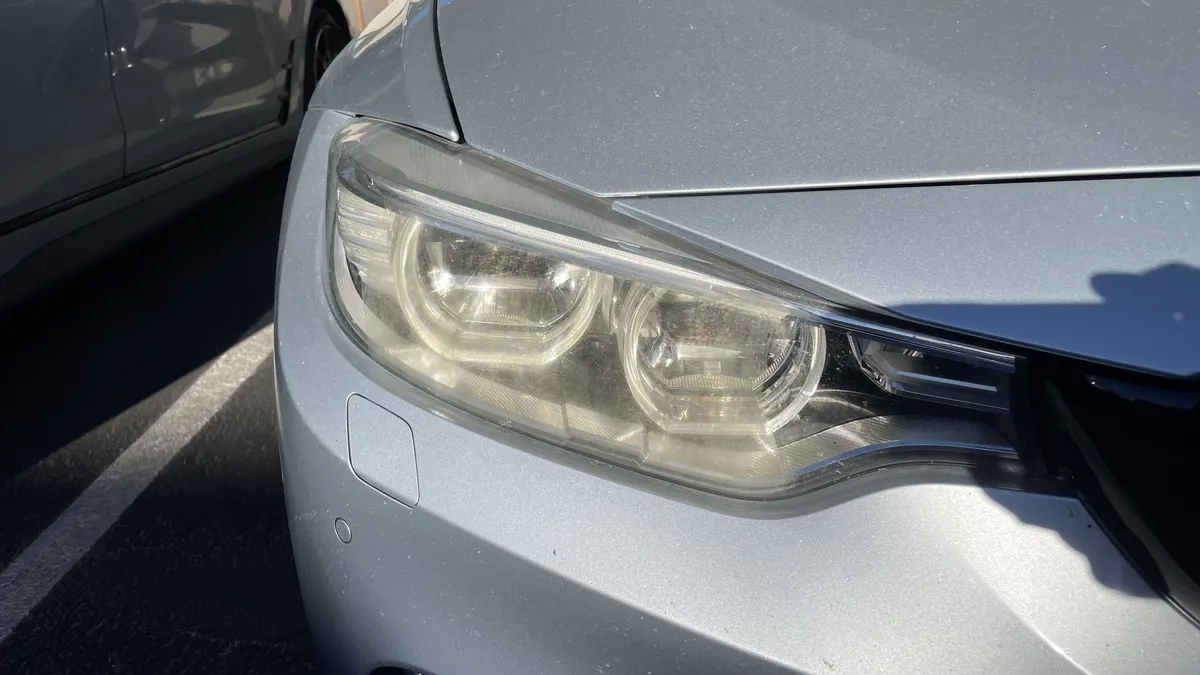
Overview
Most customers do not use technical language when describing headlights. They say the lenses are foggy, cloudy, yellow, faded, hazy, dirty, dull, sun burned, or just ugly. Those words often point to similar problems, but they are not always the same problem.
Knowing the difference helps you avoid wasting money. Some headlights need restoration. Some need a deeper evaluation. Some need replacement because the issue is inside the assembly, not on the outside of the lens.
This guide explains the most common headlight symptoms Tucson drivers see and how to think about the next step.
Cloudy headlights
Cloudy headlights usually look milky, white, or frosted. The lens may still be mostly colorless, but it no longer looks transparent. In Tucson, cloudy headlights are often caused by oxidation on the outside surface of the plastic lens.
You may notice cloudy headlights more during the day than at night because sunlight makes the haze stand out. When the headlights are turned on, the beam may look diffused instead of crisp.
Cloudiness is often a good candidate for restoration if the haze is external. A professional process can remove the oxidized surface, refine the plastic, polish the lens, and add protection.
For a dedicated local explanation, read the foggy headlights in Tucson problem page.
Foggy headlights
Foggy headlights can mean two different things.
First, many drivers use foggy to mean cloudy or hazy plastic. In that case, the issue may be external oxidation.
Second, foggy can mean moisture or condensation inside the headlight housing. This is a different problem. If you see water droplets inside the lens, a wet lower corner, or fog that appears after rain or washing, the housing may have a seal issue. Restoration can improve the outside surface, but it will not fix a leaking headlight assembly by itself.
A quick way to tell the difference is to wipe the outside lens. If the fogginess does not change and you can see moisture inside, it is probably not just surface oxidation.
Oxidized headlights
Oxidation is the breakdown of the outer plastic surface and its protective coating. It often looks yellow, white, cloudy, or rough. In Arizona, oxidation is extremely common because headlights sit under intense sun for years.
Oxidized lenses may feel slightly gritty or chalky. If you rub the lens gently with a clean fingertip, it may not feel smooth like glass. The top edge is often worse than the bottom edge.
For a deeper explanation, use the oxidized headlights in Tucson page. That page should be one of the main internal links from this post because it helps convert problem aware visitors into service inquiries.
Yellow headlights
Yellow headlights usually indicate more advanced oxidation. The lens has shifted color because the outer layer is breaking down. Yellowing often makes the vehicle look older, but the bigger issue is light quality.
A yellowed lens can absorb and scatter light. Even if the bulb is bright, the lens may keep useful light from reaching the road. This is why replacing bulbs alone often disappoints people. The light source may be new, but the lens is still damaged.
Yellowing can often be improved with restoration, but extreme yellowing may leave some lingering discoloration if the plastic is deeply aged.
Hazy headlights
Haze is a general term. It can describe light oxidation, fine scratches, residue, overspray, hard water spots, or early coating failure. Haze is usually easier to correct when caught early.
If the headlights are only lightly hazy, restoration may be less aggressive. If the haze is deep, uneven, and rough, the process may need more correction. Either way, protection after restoration is important in Tucson because unprotected plastic will start degrading again.
Dirty headlights
Dirt is not the same as oxidation. Dust, bugs, water spots, and road film can make headlights look worse, but normal washing should remove most of that. If the lens still looks dull after washing, the problem is probably not just dirt.
This distinction matters for customers who think the headlights simply need cleaning. A true restoration is more than a wash. It addresses the damaged outer layer of the plastic.
Internal damage versus external damage
The most important question is whether the problem is outside or inside.
External problems include oxidation, yellowing, surface haze, light scratching, and failed coating. These are the main restoration candidates.
Internal problems include moisture, broken seals, peeling internal reflector material, damaged projector bowls, failing wiring, melted plastic, and cracked housings. These may require repair or replacement.
If you are deciding between restoration and new parts, read the headlight restoration vs replacement in Tucson guide before spending money.
Why this language matters for SEO and customers
A customer may search for cloudy headlights, another may search for foggy headlights, and another may search for yellow headlights. The service need can be similar, but the search intent is slightly different. A strong website should answer all of those terms clearly instead of repeating the same generic paragraph on every page.
This post should support the problem pages by helping visitors self diagnose. It should not replace the service page. The job of this article is to educate, build trust, and move the reader toward a photo quote.
Next step
If you are not sure whether your headlights are cloudy, foggy, oxidized, yellow, or internally damaged, send photos to Tucson Headlight Restoration. Clear daylight photos are usually enough to explain whether headlight restoration in Tucson is a good fit.
Ready to see if your headlights can be restored?
Send clear photos of both headlights and include your vehicle details. Tucson Headlight Restoration will review the lens condition before scheduling mobile service.

Common questions
Are cloudy and oxidized headlights the same thing?
Cloudiness is a visual symptom. Oxidation is a common cause. Many cloudy headlights are oxidized, but cloudiness can also come from moisture, residue, scratches, or internal damage.
Can fog inside a headlight be restored?
Restoration improves the outside lens surface. If the fog is moisture inside the housing, the headlight may need sealing, repair, or replacement.
Are yellow headlights worse than cloudy headlights?
Yellowing often means oxidation is more advanced, but the severity depends on depth, texture, and whether the damage is external or internal.
How do I know if restoration will help?
Send clear photos of both headlights in daylight. A professional can usually identify whether the haze is external oxidation or a deeper problem.
Get a quote in 30 seconds
Send clear photos of both headlights before buying a kit or replacing the assemblies. Tucson Headlight Restoration will review the lens condition before scheduling mobile service.
- Take two clear photos of your headlights.
- Text them to 520-254-7620.
- Include year, make, model, and service area.
- Get a clear recommendation before buying a kit or replacing the headlights.