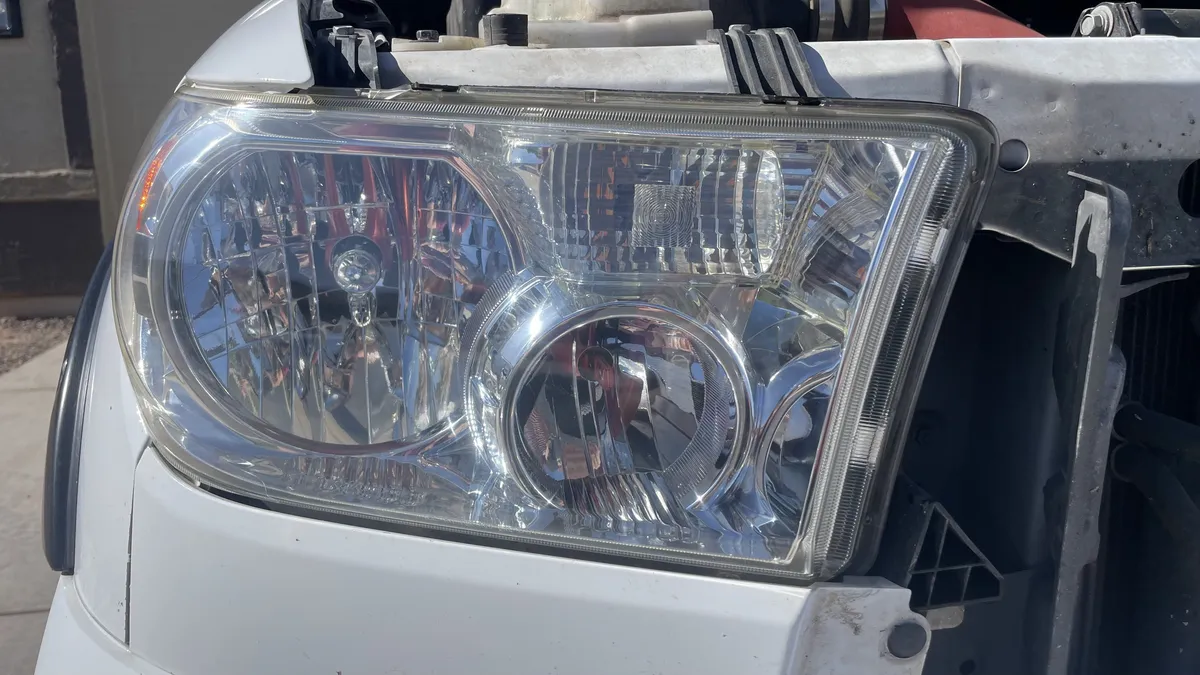
Before Buying a Headlight Restoration Kit in Tucson, Send Photos First
Before buying a kit, dry photos can show whether the lens is a DIY candidate or a repair/replacement warning sign.
Published 2026-06-07. Modified 2026-06-21. Reading time: 2 min read. Publisher: Tucson Headlight Restoration.
Pause before checkout
A headlight restoration kit may be the right answer for mild exterior haze, but it is not the right answer for every cloudy lens.
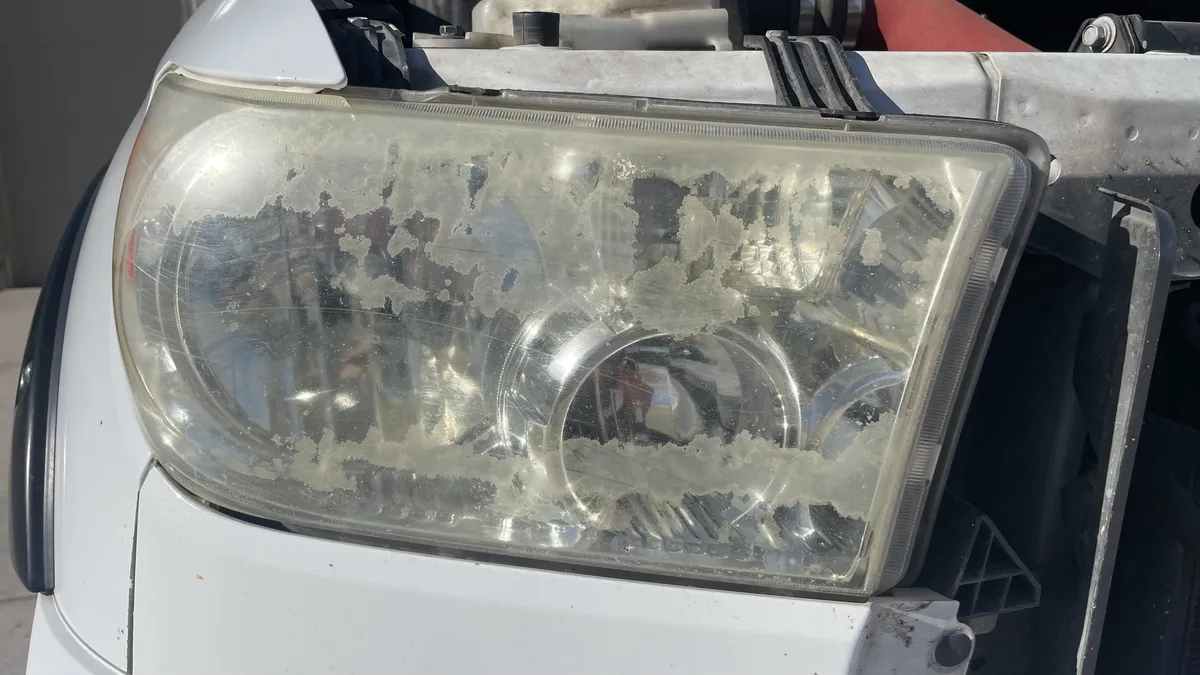
Dry photos can show whether the problem looks like surface oxidation, old coating failure, prior kit marks, internal moisture, cracks, or a replacement-level issue.
Send photos that show the problem
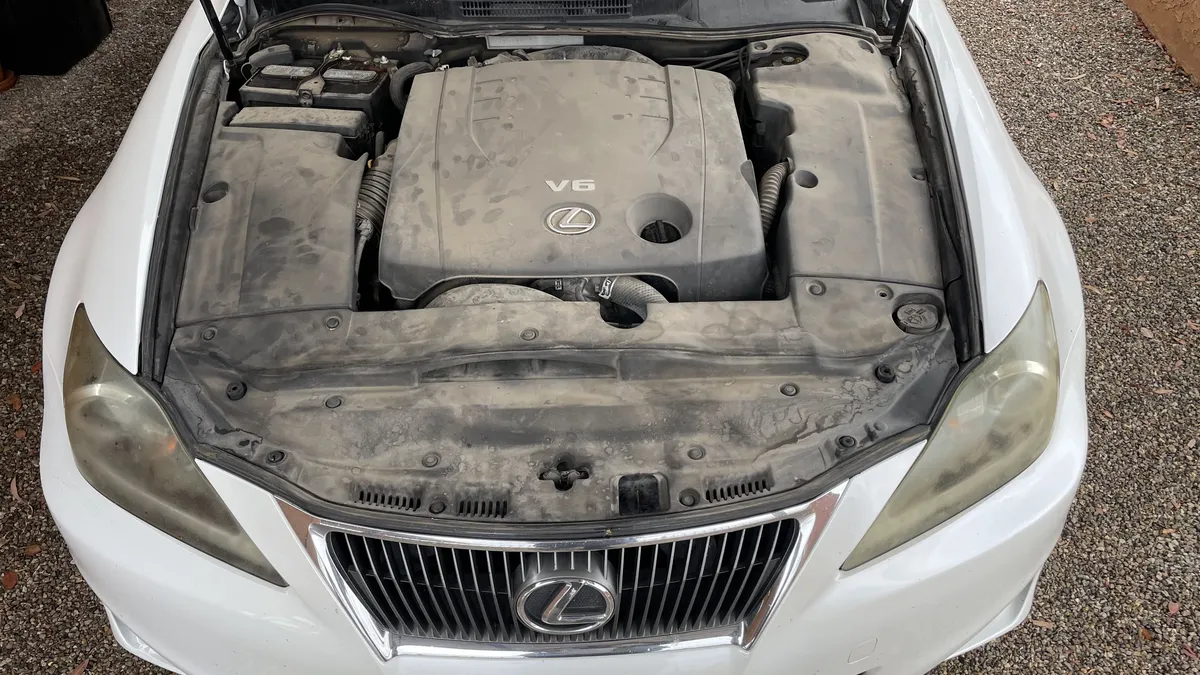
Send one close-up of each dry headlight, one angled view that shows texture, one front vehicle photo, and notes about year, make, model, location, previous kits, cracks, or moisture.
Do not wet the lens first. Water can hide surface texture and make oxidation look easier than it is.
Kit candidate, maybe, or no
A kit is a better candidate when the lens is intact, dry, mildly hazy, and the workspace is shaded and calm. It is a maybe when the lens is rough, uneven, or previously treated.
Do not start with a kit when you see cracks, moisture inside, broken mounting, deep crazing, or lighting symptoms. Those signs need diagnosis before any sanding or coating.
The answer may still be a kit
Photo review is not a way to reject DIY automatically. It can confirm that a mild lens is a reasonable kit candidate.
It is most valuable when the lens is rough, uneven, previously treated, or showing mixed signals that a product label cannot resolve.
Common questions
Should I send photos before buying a headlight restoration kit?
Yes, especially if the lenses are rough, yellow, peeling, cracked, wet inside, previously treated, or uneven. Photos can prevent the wrong purchase.
What photos should I send?
Send dry daylight close-ups of both headlights, angled photos, one front vehicle photo, and close-ups of damage such as cracks, moisture, peeling, or old kit marks.
Can a photo review tell me which kit to buy?
It can help identify whether the lens looks like a mild DIY candidate or whether professional service, further inspection, or replacement review is safer.
When should I avoid buying a kit?
Avoid a kit when there is internal moisture, cracks, broken assemblies, severe deep crazing, failed lighting components, or heavy previous product damage.
Is professional restoration always better than a kit?
No. A kit may be reasonable for mild exterior haze. Professional restoration is usually better for heavier Tucson oxidation, old coating, failed DIY attempts, or higher-risk vehicles.
Before buying a kit, send photos if you are not sure
Retail kits can help some mild lenses, but rough oxidation, peeling coating, moisture, cracks, or failed DIY attempts change the decision.
- Send both headlights dry in daylight.
- Mention the kit or product you are considering.
- Include any prior sanding, coating, cracks, or moisture.