Why Headlights Get Foggy So Fast in Tucson
Tucson sun, heat, dust, monsoon residue, and age can wear down the factory protective layer on plastic headlights faster than many drivers expect.
Published 2026-06-02. Modified 2026-06-02. Publisher: Alex Martinez.
The quick answer
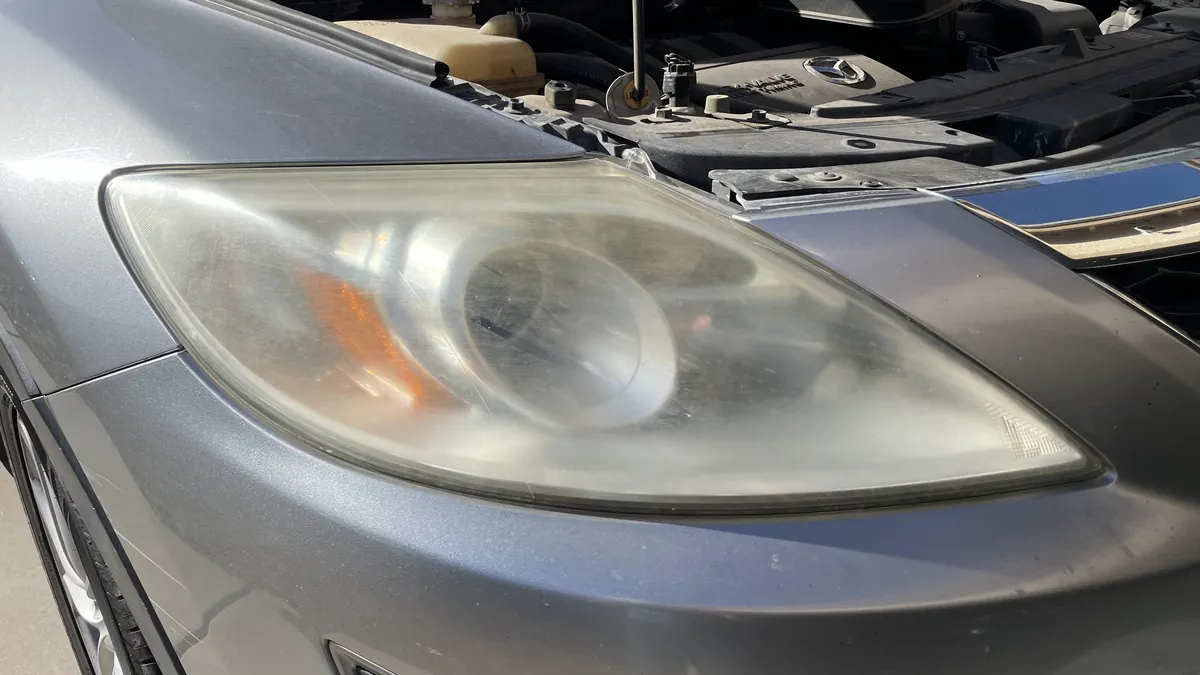
Headlights get foggy fast in Tucson because the outer protective layer on plastic headlight lenses is constantly attacked by Arizona UV exposure, heat, dust, dry air, road grime, monsoon residue, and age. Once that factory coating weakens, the polycarbonate underneath oxidizes. The lens starts to look cloudy, yellow, chalky, or hazy, and the headlight may not project light as cleanly at night.
If the damage is on the exterior surface, professional headlight restoration is often a practical first option. The process removes oxidation, polishes the plastic, and adds UV protection to help slow new damage. If the headlight has cracks, internal moisture, broken tabs, or internal reflector damage, replacement may be needed instead.
Ready to see if your headlights can be restored?
Send clear photos of both headlights and include your vehicle details. Tucson Headlight Restoration will review the lens condition before scheduling mobile service.
Why Tucson speeds up headlight oxidation
Plastic headlights are made from polycarbonate, which is strong and lightweight but vulnerable to sunlight without a protective coating. Newer headlights leave the factory with a UV-resistant layer. In Tucson, that layer works hard every day. Vehicles parked outside sit under direct sun for hours, often through high heat that makes the surface age faster.
Dust is another local factor. Fine desert dust can sit on the lens, mix with road film, and make headlights look dull. When drivers wipe dry dust off the front end, use harsh cleaners, or run through aggressive automatic car washes, the surface can collect micro-scratches. Those tiny scratches scatter light and give oxidation more places to show.
Monsoon season can add a different kind of residue. Rain, dust, pollen, and road grime dry on the lens, then get baked by the sun. That does not mean every foggy headlight needs heavy correction, but it explains why Tucson drivers often notice headlights aging faster than other exterior parts of the vehicle.
Parking patterns matter too. A vehicle parked nose-out in a driveway or apartment lot may expose the headlights to direct sun for the same part of every day. Over months and years, that repeated exposure can make one side look worse than the other, especially if the vehicle is rarely garaged.
What foggy, yellow, and cloudy headlights actually mean
Foggy headlights are not usually dirty in the normal sense. If you wash the vehicle and the lens still looks cloudy, the problem is probably oxidation or failed coating on the outside of the lens. Yellow headlights often mean the outer layer has degraded more deeply. Cloudy white haze can mean light oxidation, sanding marks from a previous repair attempt, or a coating that is beginning to fail.
Some headlights have peeling patches that look like clear coat flaking from paint. That is often the old factory protection separating from the plastic. A quick wipe-on product may make that look better for a short time, but it usually does not level the damaged coating or restore the lens properly.
How haze affects nighttime visibility
A cloudy lens scatters light before it reaches the road. Instead of a cleaner beam pattern, light bounces through oxidized plastic and haze. Drivers may notice that the road looks dimmer, the headlight beam looks yellow, or the vehicle simply feels less confident at night.
This can matter on Tucson roads where lighting changes quickly between neighborhoods, open desert edges, commercial areas, and highways. Clearer lenses cannot fix weak bulbs, electrical issues, or bad aim, but they can help the headlight assembly do its job when the lens is the problem.
When professional restoration can help
Professional restoration can help when the lens is intact and the damage is mainly on the exterior surface. The best candidates are headlights that are yellow, hazy, oxidized, dull, or cloudy but not cracked and not holding moisture inside.
A proper process usually includes inspection, masking nearby trim, sanding the damaged surface, polishing for clarity, and applying UV protection. The amount of sanding should match the lens condition. Light haze does not need to be treated like severe peeling, and heavy oxidation should not be treated like a basic wash.
The easiest way to know whether restoration is worth trying is to send clear daylight photos of both headlights. Photos help identify exterior oxidation, peeling coating, cracks, and moisture before scheduling.
It is also helpful to mention whether the haze appeared gradually or suddenly. Gradual yellowing usually points toward exterior oxidation. Sudden fogging after rain or washing may point toward moisture inside the housing, which is a different issue.
Ready to see if your headlights can be restored?
Send clear photos of both headlights and include your vehicle details. Tucson Headlight Restoration will review the lens condition before scheduling mobile service.
How to slow future fogging in Arizona
No headlight lens is immune to Arizona sun forever, but good habits help. Park in shade or covered parking when practical. Avoid scrubbing the lenses with harsh pads. Use gentle washing methods, and avoid touching freshly restored lenses while the protective layer is curing.
After restoration, follow the aftercare instructions given at the appointment. The protective layer needs time to settle, and aggressive washing too soon can shorten the result. Tucson conditions are tough, so maintenance and shade matter more here than in milder climates.
If your headlights are already cloudy, restoration may be the simplest way to reset the lens appearance before the oxidation gets worse. It is not a replacement for broken headlights, but for exterior haze, it is often the right place to start.
For Tucson drivers, the best timing is usually before the lens becomes deeply rough or heavily peeled. Early restoration can require less aggressive correction, and the finished surface is easier to protect when the headlight is still structurally sound.

Common questions
Why are my headlights yellow even after washing?
If the yellow color remains after washing, the issue is likely oxidation or failed protective coating on the lens surface rather than ordinary dirt.
Does Tucson sun make headlight oxidation worse?
Yes. Strong UV exposure, heat, and outdoor parking can speed up the breakdown of the factory protective layer on plastic lenses.
Get a quote in 30 seconds
Send clear photos of both headlights before buying a kit or replacing the assemblies. Tucson Headlight Restoration will review the lens condition before scheduling mobile service.
- Take two clear photos of your headlights.
- Text them to 520-254-7620.
- Include year, make, model, and service area.
- Get a clear recommendation before buying a kit or replacing the headlights.