Tucson Road Trip Headlight Checklist: Before You Drive to Phoenix, Nogales, Vail, or Mount Lemmon
Before a road trip from Tucson, inspect your headlights for haze, moisture, weak beams, and oxidation. This checklist explains what to look for.
Published 2026-06-02. Modified 2026-06-02. Publisher: Alex Martinez.
Overview
A road trip checklist usually includes tires, oil, coolant, phone charger, snacks, and navigation. Headlights are often forgotten until the first dark stretch of highway.
That is a mistake in Arizona. Driving from Tucson to Phoenix, Nogales, Vail, Mount Lemmon, Safford, Bisbee, or anywhere across Southern Arizona can involve long stretches of darkness, dust, rain, construction zones, wildlife, and glare from oncoming traffic. If your headlights are cloudy or weak, you may feel the problem more strongly outside the city.
Use this checklist before your next trip.
1. Look at the lenses in daylight
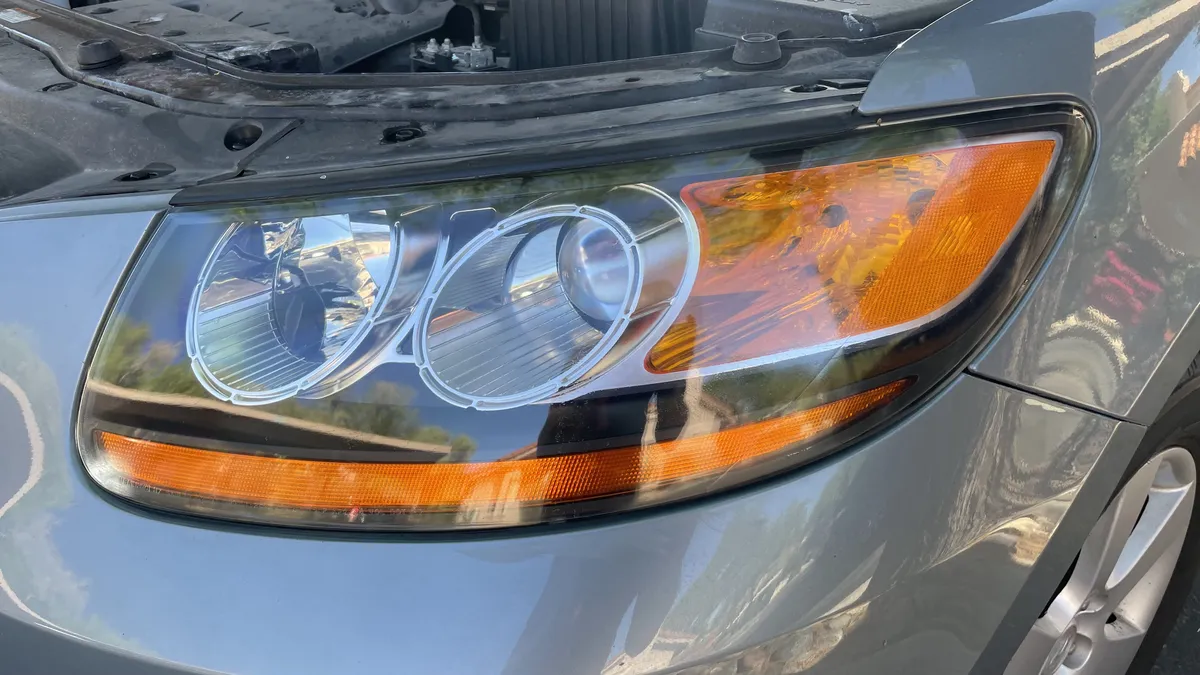
Start with the easiest test. Look at the headlights during the day. Clear lenses should look transparent. If they look yellow, cloudy, chalky, or frosted, the lens may be oxidized.
Check both headlights. One may be worse than the other because of parking direction, sun angle, or prior repair history.
If the lenses look dull even after washing, consider headlight restoration in Tucson before your trip.
2. Feel the outer surface gently
After the vehicle is clean, lightly touch the headlight lens. A rough or chalky feel often indicates oxidation. A smooth lens with internal fog may point to moisture inside the housing instead.
Do not scrape the lens with your fingernail. You are only checking texture. If it feels rough, more cleaning will not solve the problem.
3. Turn the headlights on against a wall
At dusk or in a garage, park facing a wall or garage door and turn on the headlights. Compare the left and right beam. They should look reasonably even. If one side is much dimmer, yellow, scattered, or aimed strangely, investigate before the trip.
A cloudy lens may create a fuzzy patch of light rather than a cleaner beam shape.
4. Check high beams and low beams
Make sure both high beams and low beams work. If one bulb is out, replace it before the trip. If the bulbs work but the lenses are cloudy, a bulb replacement alone may not solve visibility.
This is especially important for mountain driving, rural roads, and areas with limited street lighting.
5. Look for moisture inside the housing
Moisture inside the headlight is not the same as surface haze. Look for droplets, fog behind the lens, or water pooling near the bottom. Moisture can affect light output and may damage internal components over time.
Restoration can improve the outside lens, but it will not seal a leaking housing. If you see internal moisture, compare your options with the headlight restoration vs replacement in Tucson guide.
6. Clean the lenses safely before leaving
Do not start a long drive with dust covered headlights. Rinse the lenses first, then wash with automotive soap and a clean microfiber towel. Avoid rubbing dry dust across the plastic.
If the headlights were recently restored, follow the curing instructions. Do not wash too soon.
7. Think about the route
Different routes create different demands.
Tucson to Phoenix often means I-10 traffic, construction zones, dust, and long highway stretches. Tucson to Nogales may involve darker sections and border traffic. Tucson to Mount Lemmon includes curves, elevation changes, and wildlife. Drives toward Vail and beyond can feel darker than central Tucson.
If your headlights already feel weak on city streets, they may feel worse on these routes.
8. Do not wait until the night before
If your headlights are cloudy, do not wait until the last minute. Restoration requires proper setup, correction, protection, and curing. If you plan to wash the vehicle, travel in rain, or park outside, timing matters.
Schedule or request a photo quote early enough to follow aftercare instructions.
9. Pack basic visibility supplies
For longer drives, keep a microfiber towel and safe cleaning solution in the vehicle. Dust, bugs, and road film can build up quickly. Cleaning the headlights and windshield during fuel stops can help visibility.
Do not use harsh chemicals or abrasive towels on restored lenses.
10. Know when restoration is not enough
If the headlight is cracked, full of water, physically loose, or not turning on, restoration is not the first priority. Repair or replacement may be necessary. If the lens is cloudy on the outside but the housing is intact, restoration may be a smart pre trip improvement.
Next step
Planning a road trip from Tucson? Send photos of both headlights before you leave. Tucson Headlight Restoration can explain whether mobile headlight restoration in Tucson is a good option before your drive.
Ready to see if your headlights can be restored?
Send clear photos of both headlights and include your vehicle details. Tucson Headlight Restoration will review the lens condition before scheduling mobile service.

Common questions
Should I check headlights before a road trip?
Yes. Headlights affect nighttime visibility and vehicle visibility to others. Check lenses, bulbs, beam pattern, and moisture before long drives.
Can cloudy headlights make highway driving harder?
Yes. Cloudy lenses can scatter light and reduce useful forward visibility, especially on darker highways and rural roads.
Should I restore headlights right before a trip?
Do it early enough to follow curing and aftercare instructions. Avoid washing or exposing freshly protected lenses too soon.
Is restoration enough if one headlight is out?
No. A non working bulb, wiring issue, or damaged housing must be repaired separately.
Get a quote in 30 seconds
Send clear photos of both headlights before buying a kit or replacing the assemblies. Tucson Headlight Restoration will review the lens condition before scheduling mobile service.
- Take two clear photos of your headlights.
- Text them to 520-254-7620.
- Include year, make, model, and service area.
- Get a clear recommendation before buying a kit or replacing the headlights.