What Is the Difference Between Headlight Cleaning, Polishing, Restoration, and Replacement?
Learn the real difference between headlight cleaning, polishing, restoration, and replacement so Tucson drivers can choose the right fix for cloudy or yellow headlights.
Published 2026-06-02. Modified 2026-06-02. Publisher: Alex Martinez.
Why these terms get confusing
A lot of Tucson drivers use the words headlight cleaning, headlight polishing, headlight restoration, and headlight replacement as if they mean the same thing. They do not. The difference matters because each option solves a different problem, costs a different amount, and produces a different type of result.
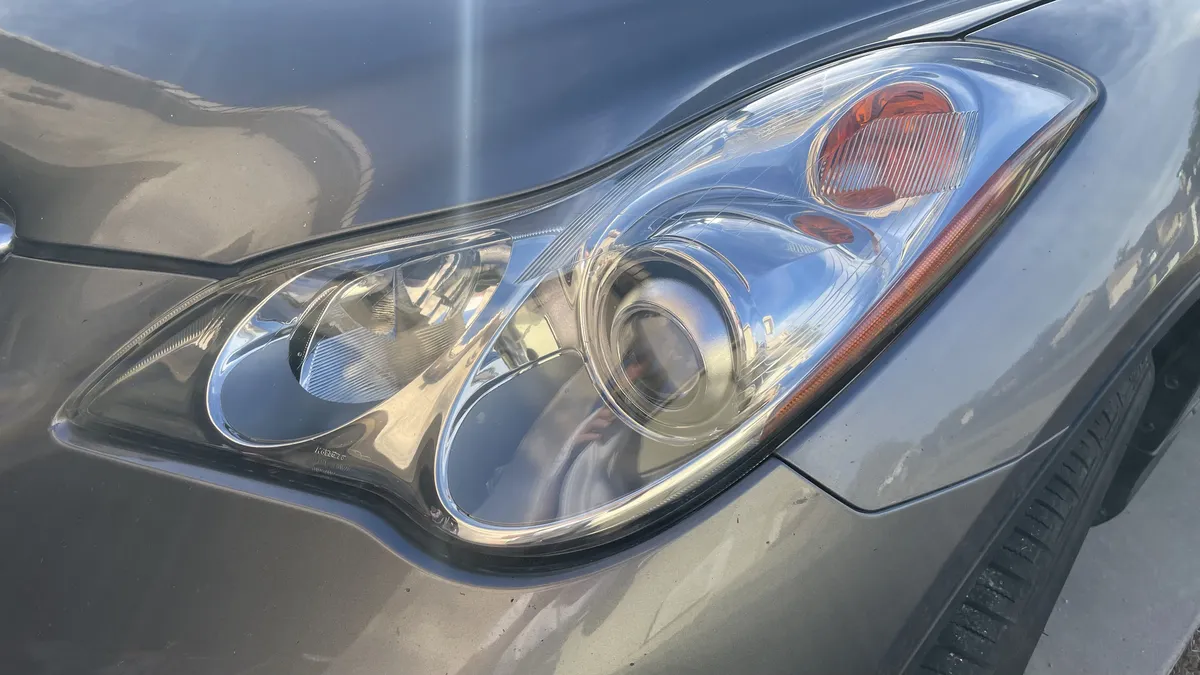
If your headlights are cloudy, yellow, hazy, or rough to the touch, the problem is usually not simple dirt. In many cases, the outer plastic lens has oxidized after years of sun exposure, heat, dust, and washing. That kind of damage usually needs more than a quick wipe.
For Tucson drivers, this distinction is especially important because Arizona heat and sun can accelerate visible lens damage. The National Weather Service Tucson climate normals show that Tucson averages many days above 100 degrees each year, which makes exterior automotive plastics work harder than they do in milder climates.
If you are comparing options, start with the main service page for headlight restoration in Tucson, then use this guide to understand what each term really means.
What headlight cleaning means
Headlight cleaning is the lightest option. It usually means removing surface dirt, dust, bug residue, water spots, or road film from the outside of the lens.
Cleaning can help if the headlight is dirty but still physically clear. It will not solve deeper yellowing, oxidation, pitting, peeling clear coat, or a rough chalky surface.
A basic cleaning may improve appearance temporarily, but it usually does not remove the damaged layer of plastic. If the headlight still looks cloudy after washing the car, the problem is probably beyond cleaning.
What headlight polishing means
Headlight polishing is more aggressive than cleaning. Polishing uses abrasives or compounds to improve clarity and reduce haze. It can make a cloudy lens look better, especially when the damage is mild.
The limitation is that polishing by itself may not fully correct heavier oxidation. If the lens needs sanding first, polishing alone can leave behind cloudy patches, uneven clarity, or a result that fades quickly.
Polishing is part of a proper restoration process, but it is not always the whole process.
What headlight restoration means
Headlight restoration is a more complete process. A professional restoration usually involves several steps, such as cleaning, sanding, refining, polishing, and adding some type of UV protection or coating.
The goal is not just to make the headlight look wet for a few photos. The goal is to remove the damaged outer layer, refine the plastic, restore clarity, and protect the lens as much as possible against future sun damage.
This is why professional restoration is usually a better fit for headlights that are yellow, oxidized, cloudy, rough, or visibly aged.
What headlight replacement means
Headlight replacement means replacing the headlight assembly itself. This may be necessary when the damage is internal, the lens is cracked, the housing is leaking, tabs are broken, or the reflective/projector components inside the assembly are failing.
Replacement can be the right answer, but it is often more expensive than restoration. On some vehicles, a new headlight assembly can be costly, and labor may be involved. That is why many drivers compare headlight restoration vs replacement in Tucson before deciding.
How to choose the right option
Use this simple breakdown:
| Condition | Best starting point |
|---|---|
| Dust, dirt, bugs, or road film | Cleaning |
| Light haze with mostly clear plastic | Polishing or restoration |
| Yellow, cloudy, oxidized, rough lens | Restoration |
| Cracks, water inside, broken tabs, internal failure | Replacement evaluation |
Why this matters for night driving
Cloudy headlights are not only cosmetic. A AAA study has reported that clouded or yellowed headlights can generate only a fraction of the light produced by new headlights. Research by the IIHS also connects better headlight performance with lower nighttime crash rates. For Tucson drivers who deal with dark roads, monsoon weather, dust, and intense glare from other vehicles, clear lenses are part of safer visibility.
Final recommendation
If you are unsure whether your headlights need cleaning, polishing, restoration, or replacement, the easiest next step is a photo review. Send clear photos in daylight and from a few angles. A proper evaluation should tell you whether restoration is a good fit or whether replacement may be more realistic.
Send photos of your headlights for a Tucson mobile headlight restoration review.
Ready to see if your headlights can be restored?
Send clear photos of both headlights and include your vehicle details. Tucson Headlight Restoration will review the lens condition before scheduling mobile service.

Common questions
Is headlight cleaning the same as restoration?
No. Cleaning removes surface dirt. Restoration addresses oxidation, yellowing, haze, and damaged plastic on the lens surface.
Can polishing fix yellow headlights?
Sometimes, but polishing alone may not be enough if the lens has deeper oxidation. Heavier yellowing usually needs a more complete restoration process.
Is replacement always better than restoration?
No. Replacement can be necessary for cracked, leaking, or internally damaged headlights, but many cloudy or oxidized lenses can be improved with restoration.
How do I know which option I need?
Send photos from the front, side, and close up. A photo review can usually show whether the damage looks external, internal, or structural.
Get a quote in 30 seconds
Send clear photos of both headlights before buying a kit or replacing the assemblies. Tucson Headlight Restoration will review the lens condition before scheduling mobile service.
- Take two clear photos of your headlights.
- Text them to 520-254-7620.
- Include year, make, model, and service area.
- Get a clear recommendation before buying a kit or replacing the headlights.